

Foundation Repair in Nashville, TN
Clear explanations, itemized scopes, and documented evidence — not scare tactics.
Concerned about cracks, uneven floors, basement water, or crawl space problems? Tell us what you're noticing and request a quote for the next step.
What we do: foundation evaluation, slab and crawl space repair, basement wall stabilization, waterproofing, encapsulation, sump systems, drainage, and concrete leveling.
Where we work: Middle Tennessee homes across Davidson, Williamson, Rutherford, Sumner, and Wilson counties.
Why call us: non-commissioned estimators, on-site elevation measurements, written scopes with exclusions, and no fabricated sinkhole panic.
Thanks — your request has been received.
We'll review your information and contact you to discuss your property and the next steps.
Request a Foundation Repair Quote
Tell us about your property and what you're noticing. We'll contact you to discuss the project and the next step toward a quote.
Sound familiar?
These are the four reasons Middle Tennessee homeowners call us. Each one has several possible causes, and the difference between them is what an evaluation is for.
Cracks that keep changing
Stair-step brick cracks, drywall fissures at door corners, or gaps that were not there last spring. You want to know whether it is movement or settling that already stopped.
Water and musty air
A wet basement corner after a storm, or a crawl space smell that reaches the living room. The source matters, because groundwater, runoff, plumbing, and condensation need different fixes.
Floors that slope or bounce
A dip in the hallway, a bouncy spot near the kitchen, or furniture that no longer sits level. Under the floor there is usually a support, joist, or moisture story to read.
Quotes that do not match
One contractor says 14 piers, another says drainage. Without measurements and an itemized scope, there is no fair way to compare what you are being sold.
We work through all four the same way: observe, measure, then explain — before anything is proposed.
See what a foundation evaluation coversFoundation, Basement, and Crawl Space Services
Nine services, each scoped to what your property actually needs. We explain the difference between structural repair and moisture control, and between stabilization and lifting, before anything is proposed.
 Start Here
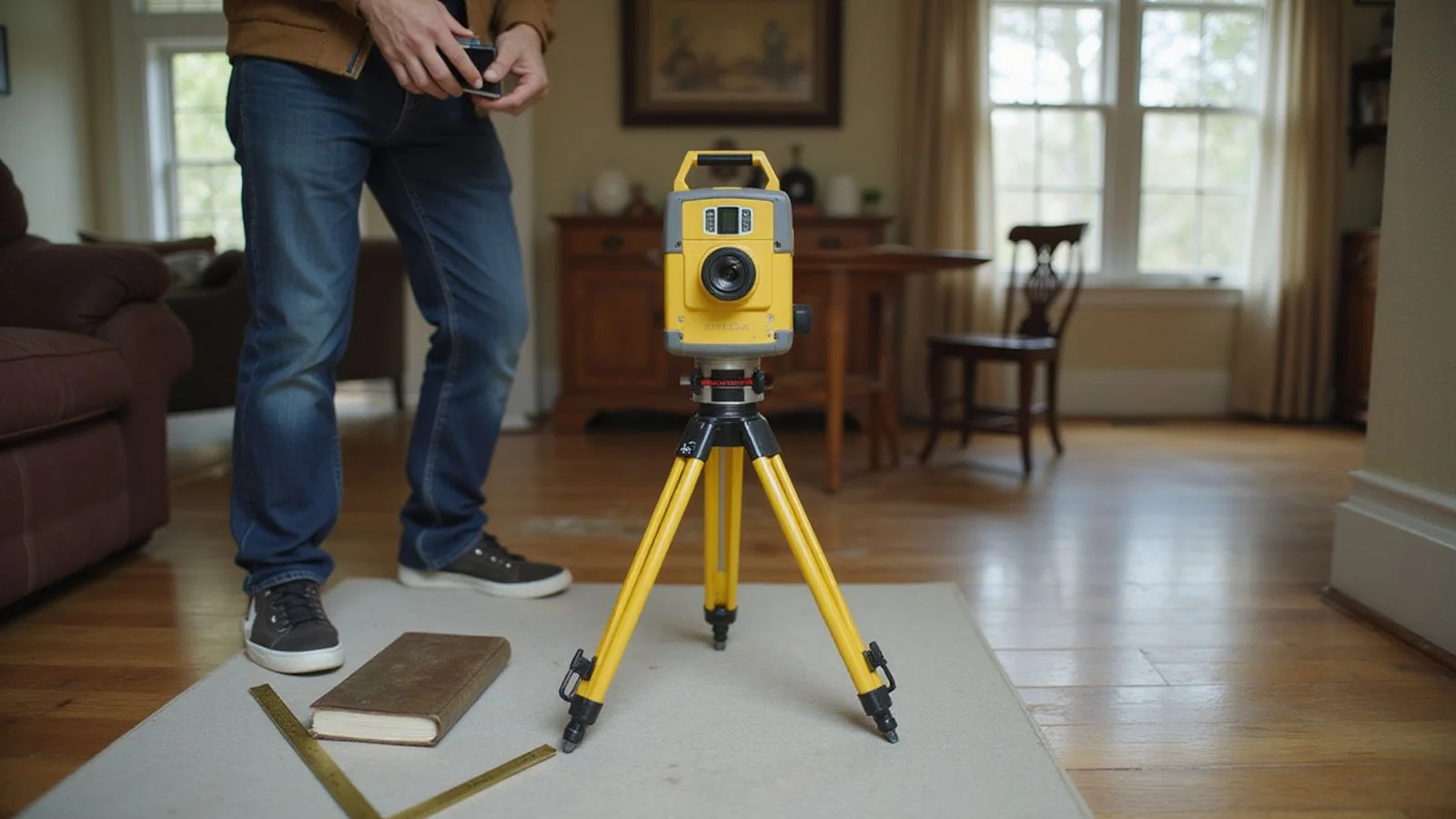
 Foundation Evaluation
Property observations, accessible conditions, measurements where appropriate, findings, and a clear next step.
Learn more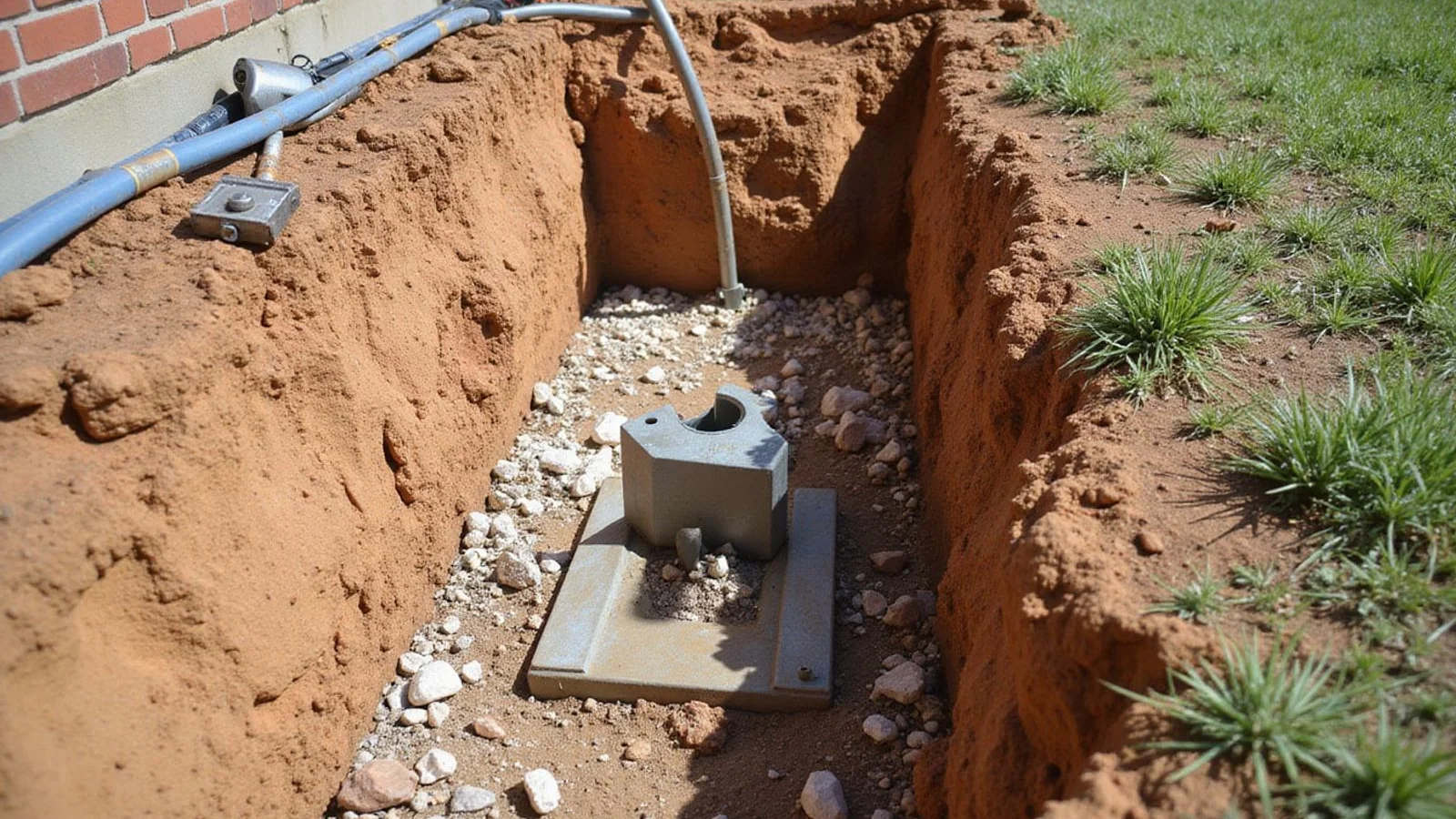
Slab Foundation Repair
Structural slab and support concerns, distinguished from nonstructural flatwork leveling.
Learn more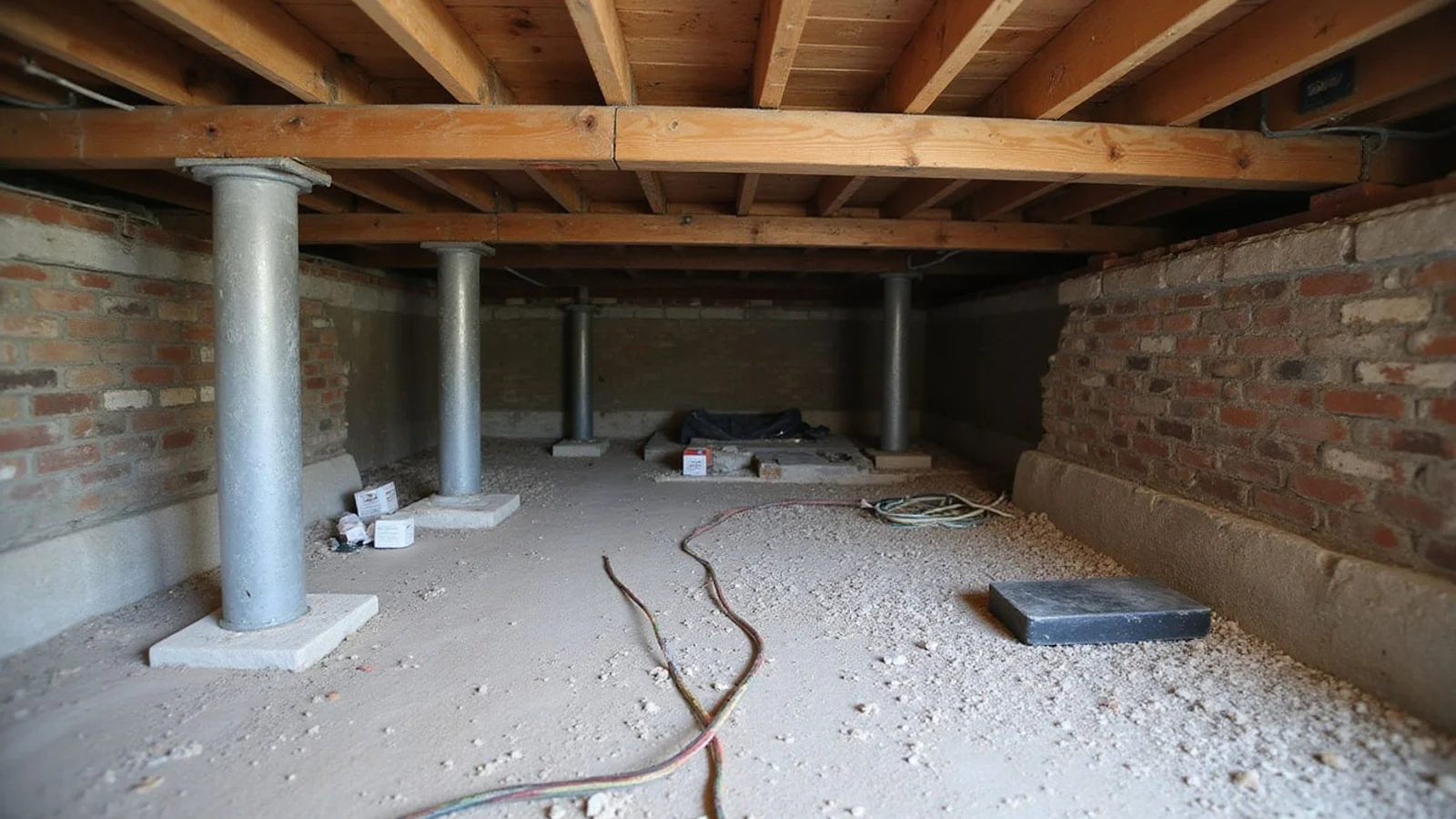
Crawl Space Repair
Support posts, beams, joists, subfloor concerns, and access or moisture conditions within scope.
Learn more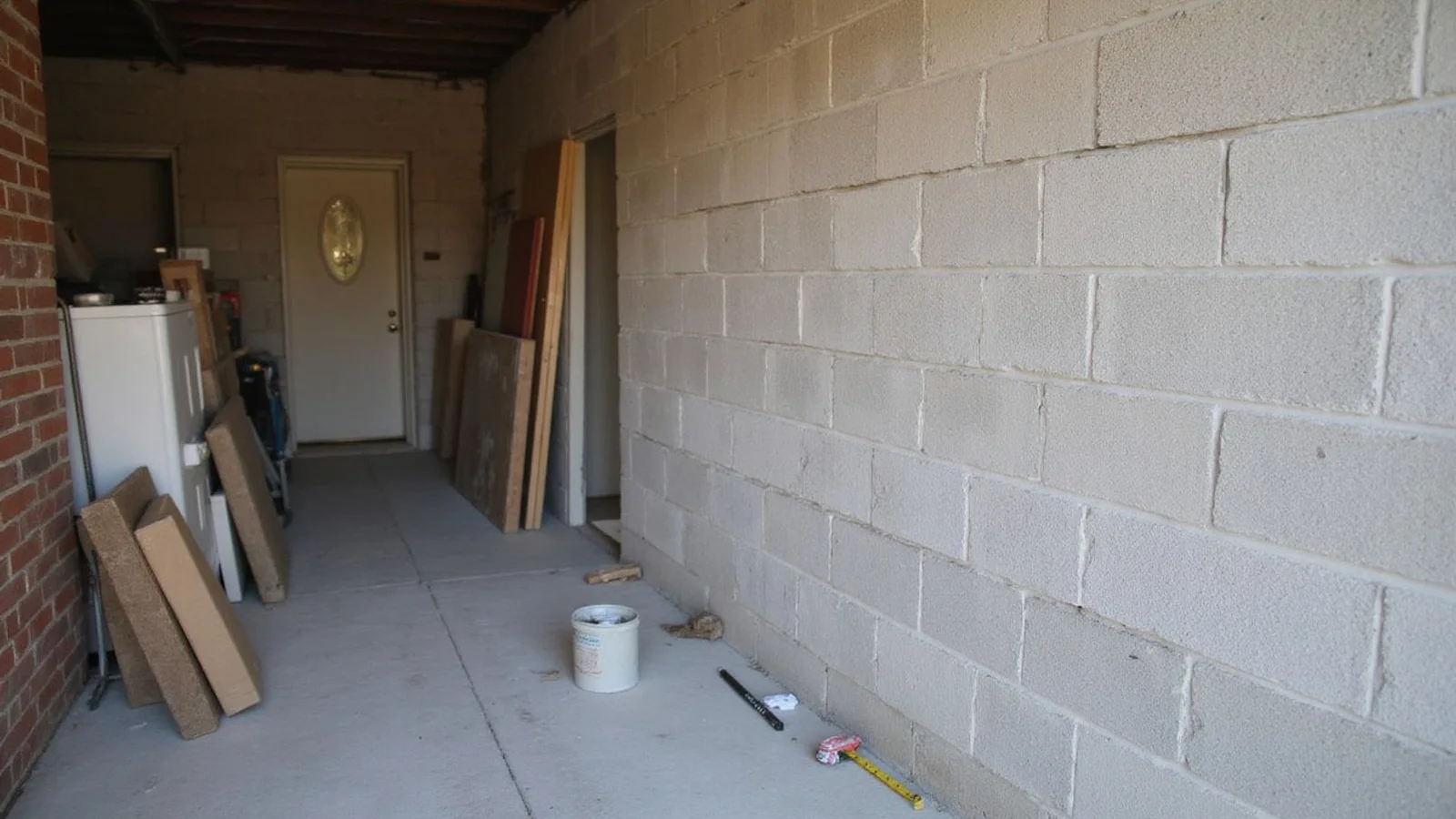
Basement Wall Repair
Evaluation and stabilization options for cracking, bowing, or displacement.
Learn more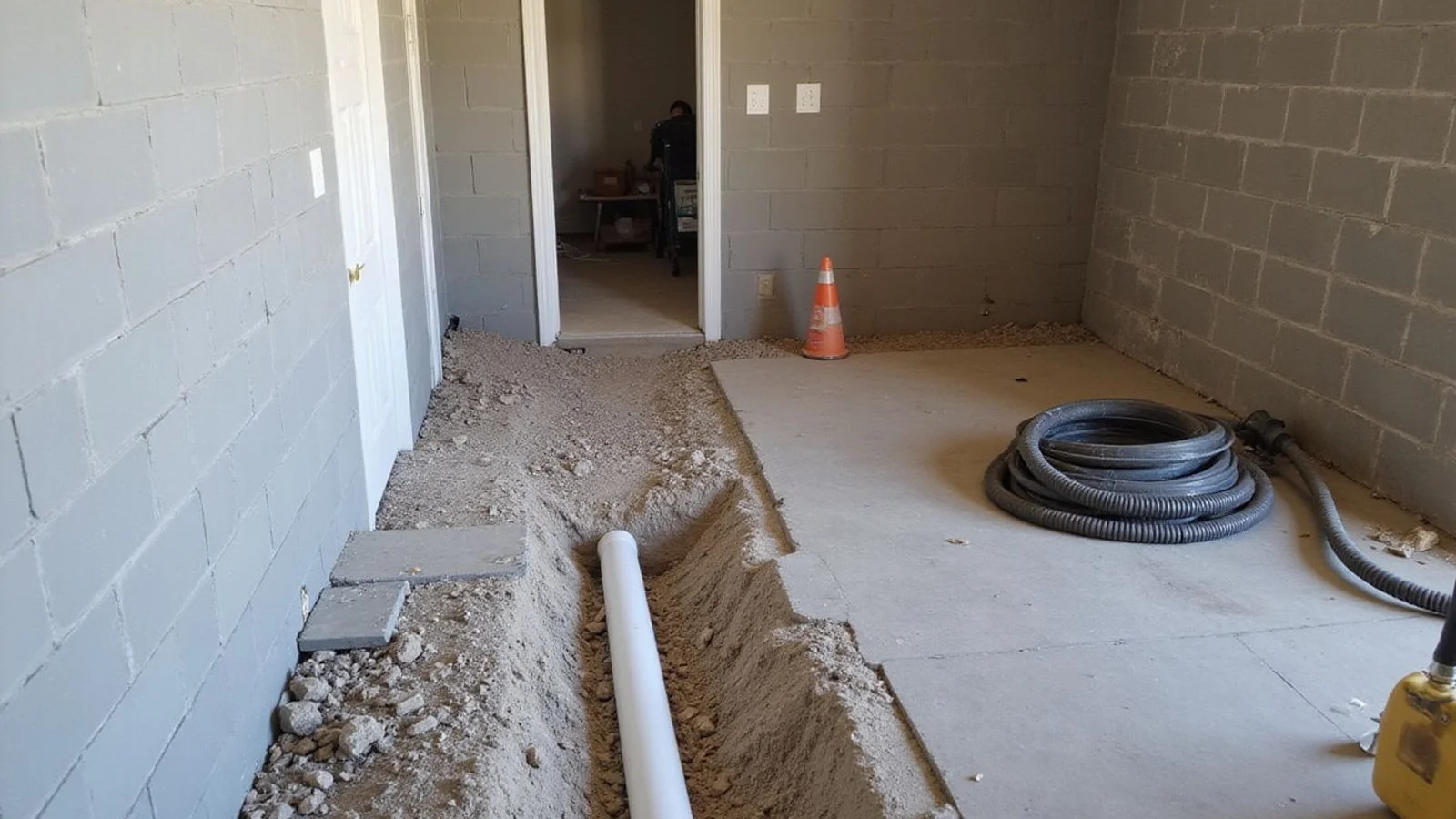
Basement Waterproofing
Water-entry assessment and relevant interior or exterior water-management systems.
Learn more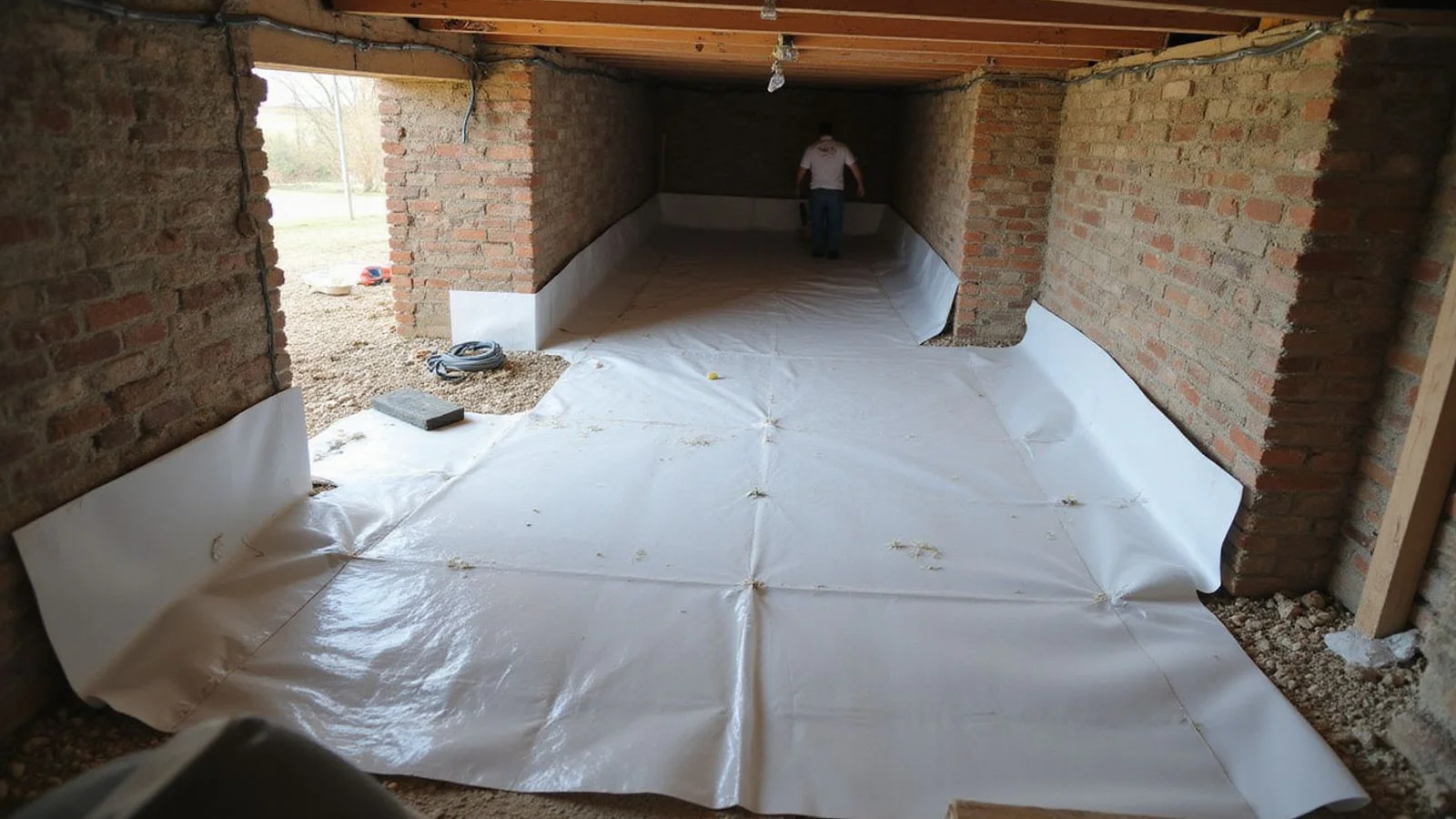
Crawl Space Encapsulation
Ground vapor control, sealing, drainage, and humidity management as specified for the property.
Learn more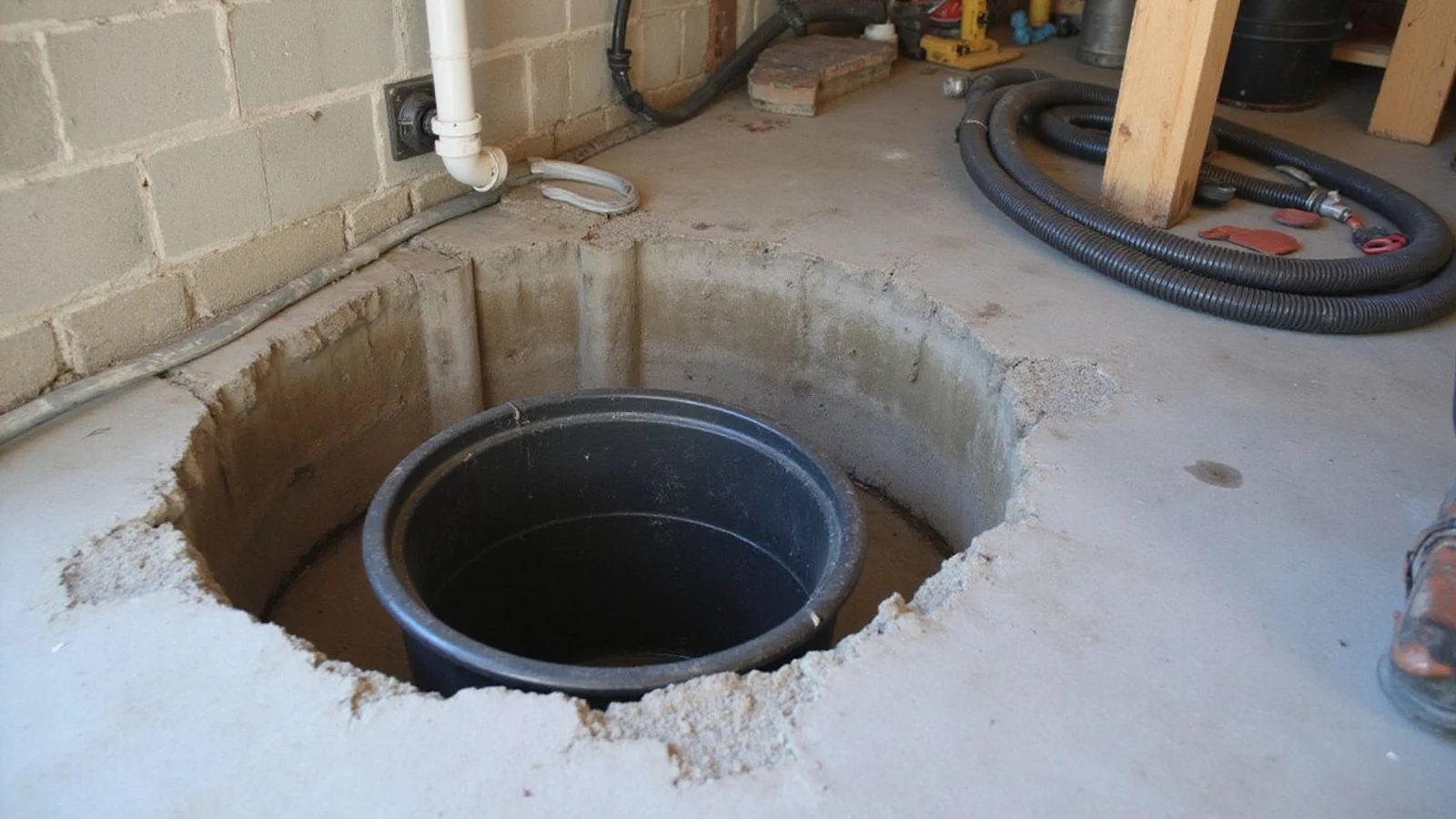
Sump Pump Installation and Replacement
Installation, replacement, discharge planning, maintenance, and backup options where offered.
Learn more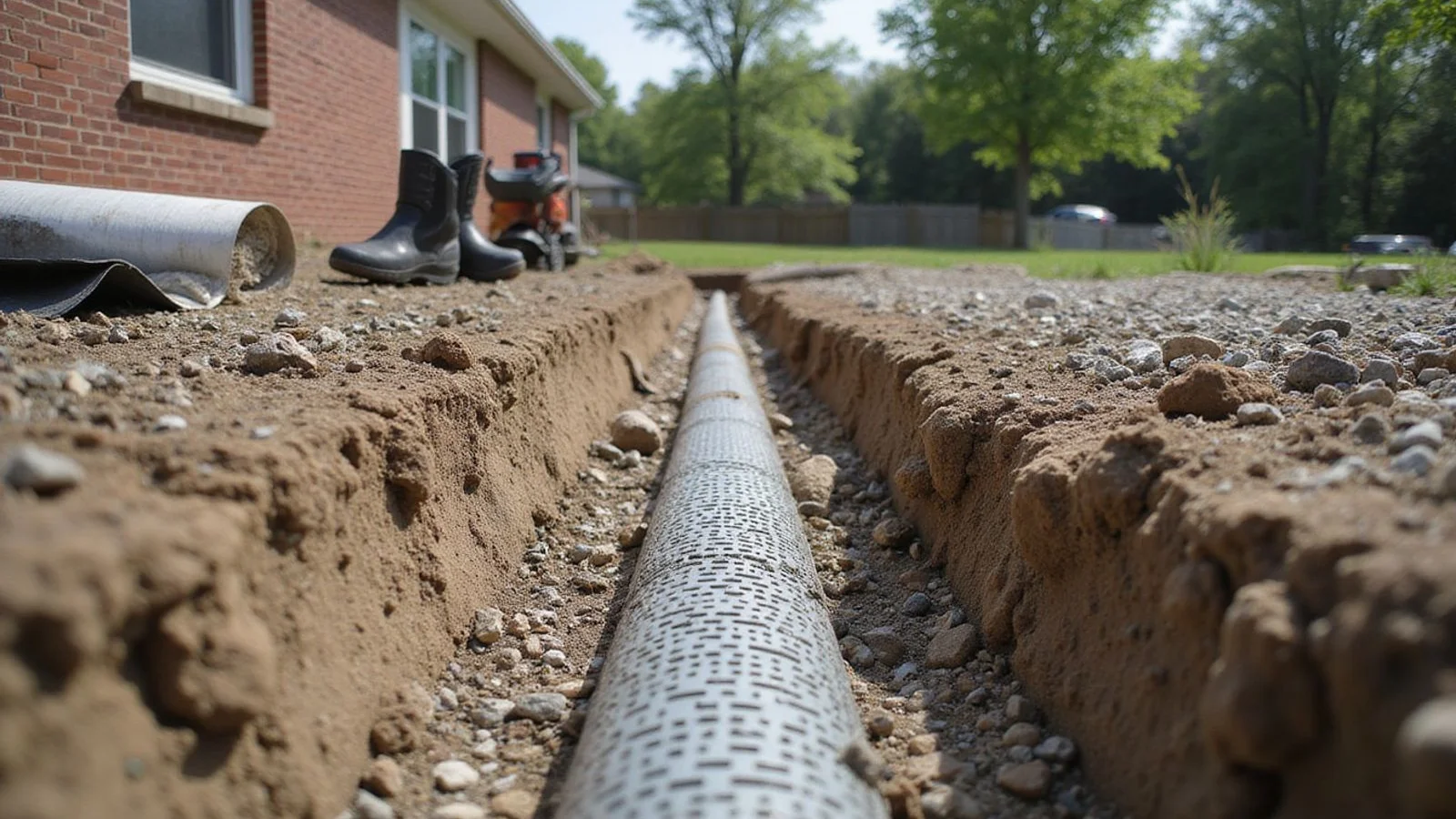
Drainage Solutions
Surface-water management, grading, downspout discharge, and appropriate drainage systems.
Learn more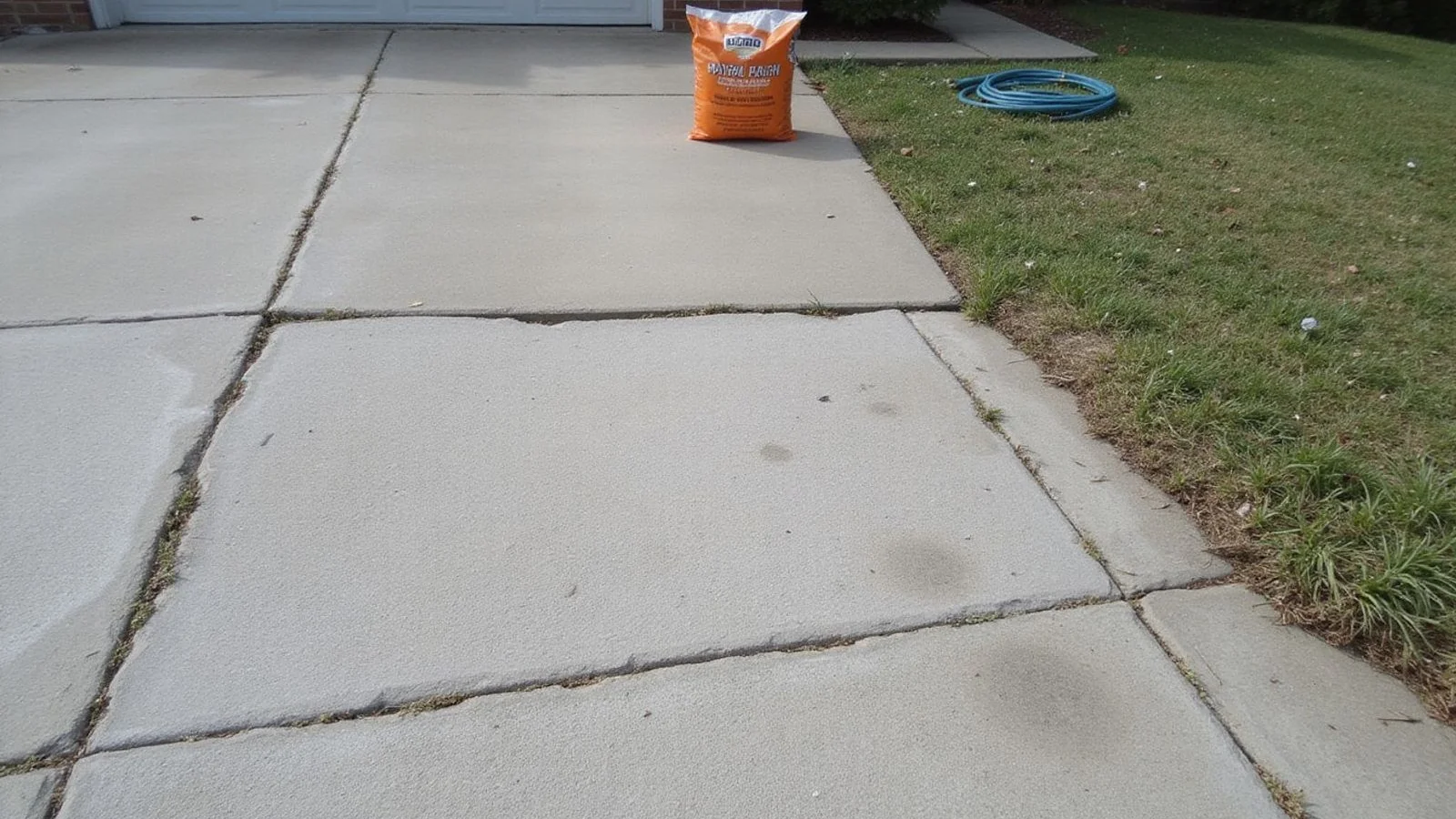
Concrete Leveling
Eligible driveways, walkways, patios, and similar slabs; explains when replacement may be necessary.
Learn moreWhy Middle Tennessee Homeowners Choose Us
Foundation work is sold as an emergency more often than it should be. We built our process around the opposite habit: look, measure, write it down, then talk about price.
Non-commissioned estimators
Nobody who inspects your home earns more by selling you more. That single arrangement removes the pressure to inflate a pier count, and it is the reason our recommendations sometimes come back as "extend the downspout" rather than a five-figure scope.
Measurements before recommendations
We record relative floor elevations where appropriate, note crack widths and locations, and check moisture conditions. Findings come from what the instruments and the site show, not from what a photo suggests over the phone.
Itemized written scopes
Every quote names the problem observed, the proposed work, quantities, access assumptions, and what is excluded. That is what makes competing quotes comparable, and it is what a fair comparison needs.
Calm geology, properly sourced
Middle Tennessee sits on limestone, and karst is real. Regional mapping is context, not a diagnosis of your address. We will not turn a public dataset into a risk score or a reason to sign today.
Licensing and permits explained
Tennessee describes contractor licensing for covered projects of $25,000 or more, and Home Improvement licensing for covered residential work between $3,000 and $24,999 in adopting counties. We tell you which applies and who pulls the permit.
Documented work, honest limits
Project records note the concern, foundation type, assessment, agreed scope, constraints, and result. Installation photos alone do not prove long-term performance, so we record follow-up dates too.
The Middle Tennessee context most quotes skip
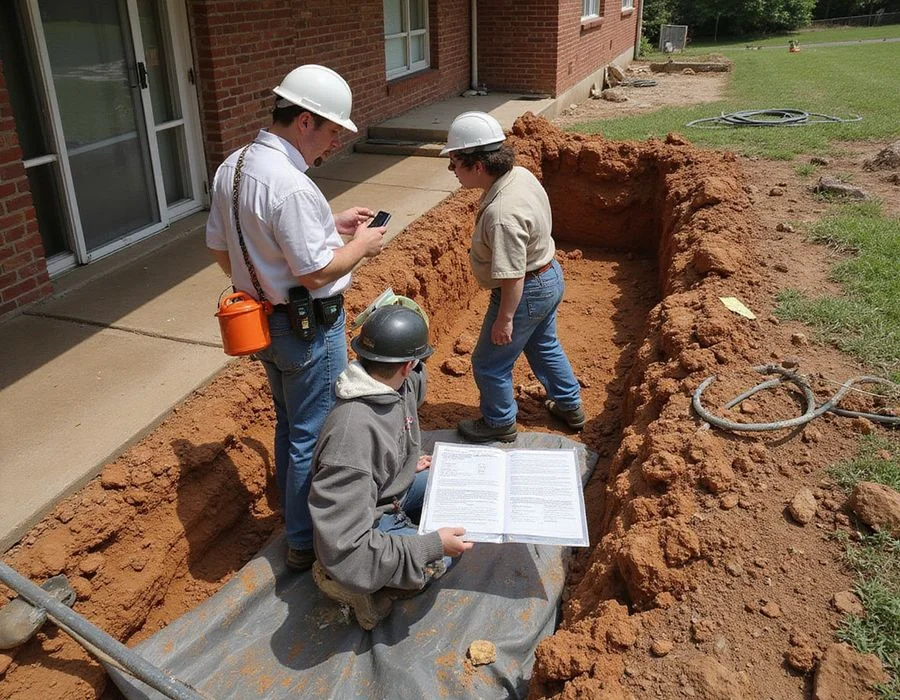
Nashville and the counties around it sit on limestone in the Central Basin, and that produces genuine karst topography: dissolution features, occasional depressions, and variable depth to competent bearing material across a single lot. It is worth understanding. It is also routinely misused. A regional map shows where karst terrain exists; it cannot establish what is happening beneath one house, and a mapped or suspected feature is not automatically a confirmed active sinkhole.
In the homes we actually evaluate, the measurable contributors are more often mundane. Downspouts discharging at the footing. A grade that falls toward the house instead of away. Poorly compacted fill on a newer lot. High-plasticity clay that swells in a wet spring and shrinks through a dry August, applying seasonal pressure against basement walls and moving shallow footings. Under-slab plumbing leaks that move fines and leave voids behind.
Moisture follows its own logic here. Middle Tennessee summers run humid enough that open crawl space vents frequently add moisture rather than remove it, because warm outside air condenses on cooler surfaces underneath the floor. That is why a dehumidifier in an unsealed crawl space struggles, and why "just add more vents" is advice that has aged badly in this climate.
None of this tells you what your house is doing. That is the point. It tells you which questions an evaluation has to answer before anyone can responsibly propose a scope, let alone a price.
Our 3-Step Diagnostic and Quoting Process
Nothing gets recommended before it gets measured, and nothing gets priced before the scope is written down.
- 1
Tell us what you are seeing
Send a short description through the quote form or call us. We review the symptoms with you and explain what they commonly indicate before anyone drives out.
- 2
On-site evaluation and measurements
A non-commissioned estimator observes accessible interior, crawl space, basement, and exterior conditions, and records elevation measurements where appropriate.
- 3
Written findings and an itemized scope
You receive findings in plain language, the options that fit the conditions, the limitations, and an itemized scope with exclusions stated upfront.
Not sure whether it's drainage or the foundation?
That is exactly what an on-site evaluation answers. No obligation, and any evaluation charge is explained first.
How to Compare Foundation Repair Quotes
Two proposals rarely quote the same work. Before you compare a headline number, check whether each proposal actually covers the same eight items below. Our homeowner guides to foundation repair explain each of these in more depth.
Read the Full Quote Comparison Guide- The problem described, in the contractor's own words
- Proposed work and the quantities behind it (pier count, drainage footage, wall length)
- Access assumptions and what site conditions the price depends on
- Exclusions stated upfront, not discovered after the deposit
- Who pulls the permit and who is responsible for engineering, if needed
- Cleanup and restoration included in the scope
- Payment stages and how change orders are handled
- Warranty coverage: what is covered, for how long, and by whom
Foundation Repair Cost Estimator
Get a ballpark range for common foundation repairs based on the affected area and repair approach. Scope-first: real figures require an on-site evaluation.
Get My EstimateWhat Middle Tennessee Homeowners Say
"Two other contractors insisted we needed 14 piers and quoted over $25,000 immediately. Nashville Foundation Repair measured the elevation drop and showed that extending our downspout solved the pooling water problem."
"The 20-mil crawl space encapsulation and dehumidifier installation cleared the musty odors from our floors. Their crew documented each step with photos and left the yard immaculate."
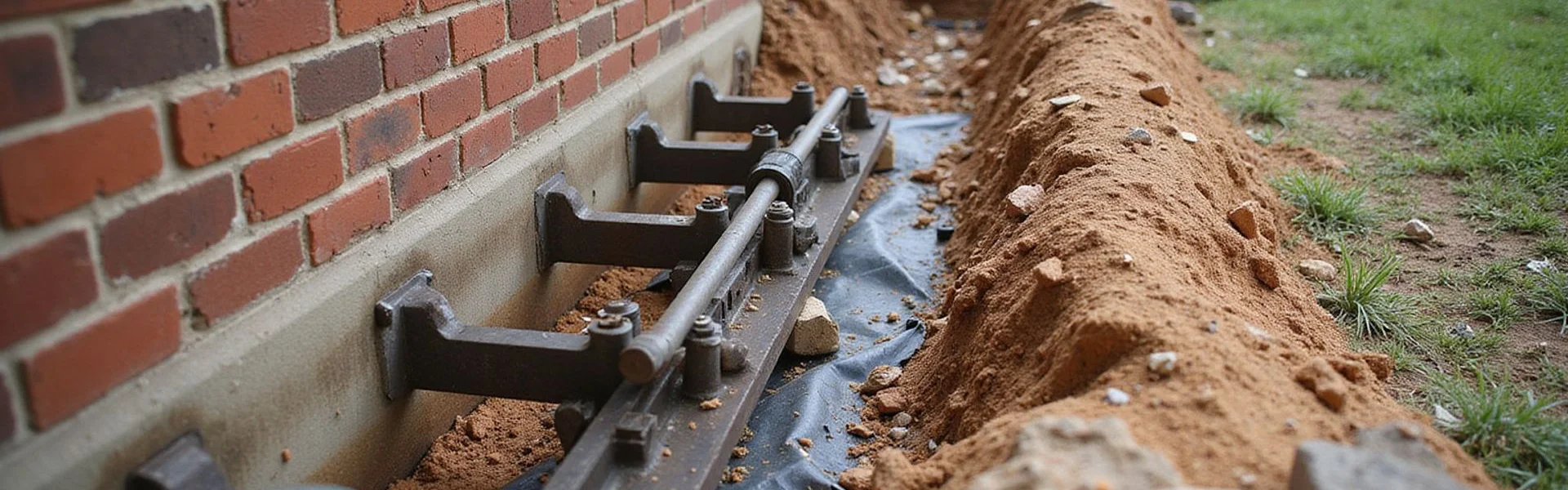
"We had inward bowing in our block foundation wall. The carbon fiber installation was permitted properly with Metro Nashville and passed inspection. Very straightforward team."
Reviews shown here are representative of feedback we receive. Verified Google reviews are linked from our reviews page .
Serving Nashville and Middle Tennessee
We work across Davidson, Williamson, Rutherford, Sumner, and Wilson counties, plus the surrounding communities we actually serve. No invented branch offices, no crews we do not have.
Main service areas
Also serving
Frequently Asked Questions
Does living over Nashville karst mean my foundation is at risk?
Is there a charge for a foundation evaluation?
What information do I need to request a quote?
Do foundation repairs in Nashville require a permit?
Is Tennessee contractor licensing required for foundation work?
What's the difference between basement waterproofing and crawl space encapsulation?
How do I know whether I need foundation repair or just better drainage?
What is the difference between stabilizing a foundation and lifting it?
Why do foundation repair quotes vary so much between companies?
Does a damp basement mean my foundation is damaged?
How long does foundation work usually take, and what happens to my yard?
Should I get a structural engineer involved?
Still have a question?
Describe what you're noticing and we'll tell you what it usually means and what the next step is.
Request a Foundation Repair Quote
Tell us what you're noticing.
Describe the cracks, the water, or the floor that moves. We'll review the symptoms, explain what usually causes them, and lay out the next step in writing.