What encapsulation is, and what it is for
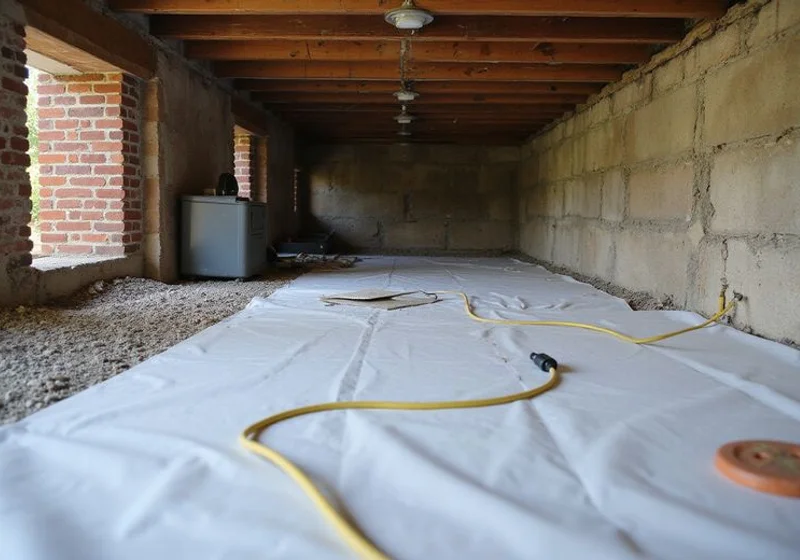
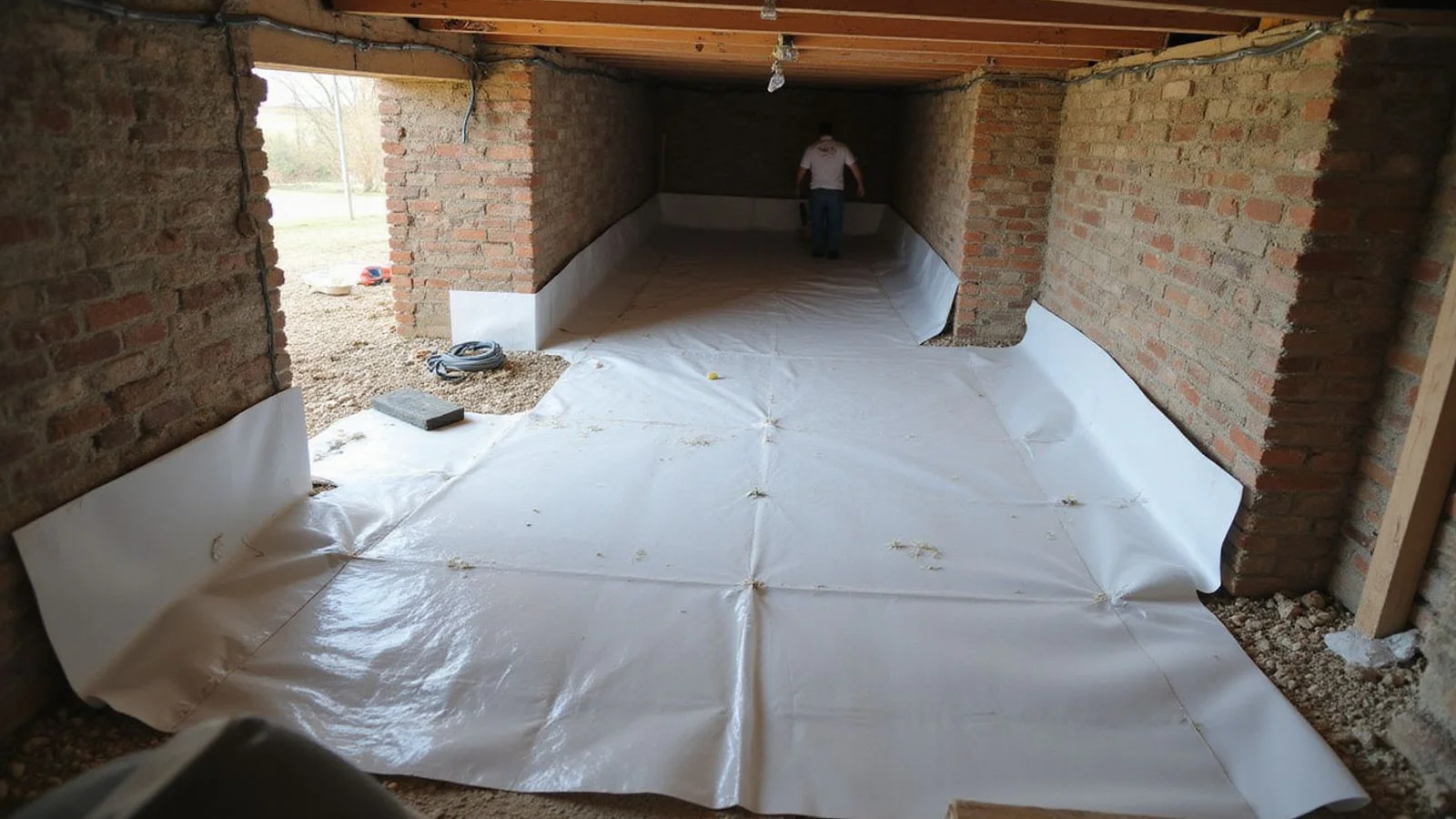
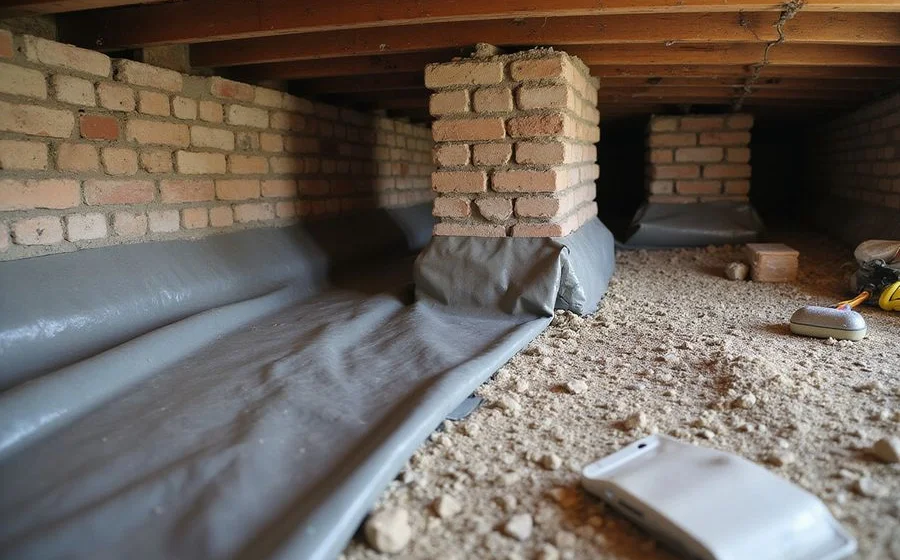
Crawl space encapsulation seals the space beneath your floor and controls the moisture in it. A reinforced vapor barrier covers the ground and runs up foundation walls and piers, seams are taped, vents and access doors are sealed, penetrations are detailed, and a dehumidifier holds relative humidity at a target.
The purpose is specific: stop ground vapor from loading the space, and keep the air dry enough that wood stays in a safe moisture range. It is not a structural repair, and it is not a substitute for drainage where liquid water is entering. Those scopes sit alongside our other foundation repair services in Nashville and are quoted separately.
Why this matters more here than in a dry climate
Middle Tennessee summers run humid. Dew points sit high for months, and crawl spaces stay cooler than outside air.
Put those together and the traditional advice — vent the crawl space so it can dry — works backwards. Warm humid air entering a cool crawl space does not dry anything; it condenses on the coolest surfaces it finds, which are the joists, the ductwork, and the ground.
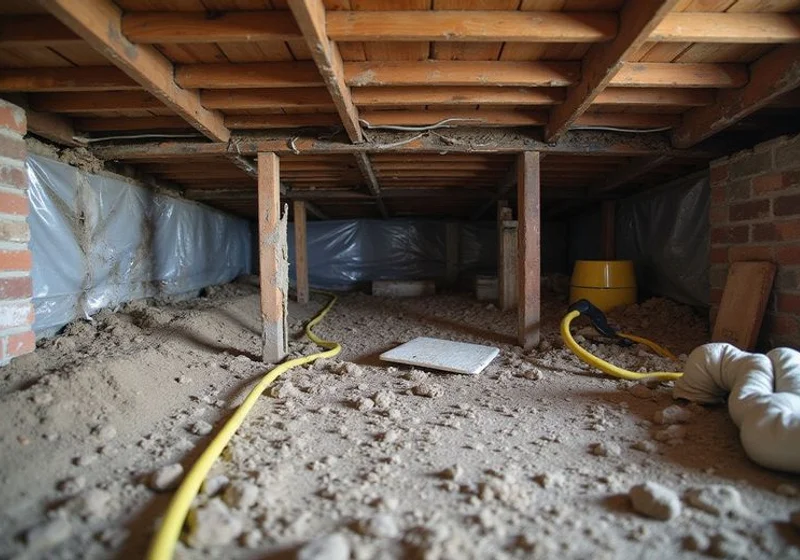
That is the mechanism behind most of what homeowners notice: musty odour that reaches the living space, hardwood that cups in August, elevated wood moisture readings on framing, fungal growth on joists, and eventually decay in the members carrying the floor.
Our guide on encapsulation versus a dehumidifier alone covers why partial measures underperform in this climate.
What the system includes
Site preparation. Debris removal, grading the ground surface where needed, and resolving anything that should not be sealed underneath a liner.
Reinforced vapor barrier. Installed across the ground and run up foundation walls and piers, with overlapped and taped seams. Reinforced material matters because people crawl on it.
Sealed vents and access. Vent openings closed and access doors sealed, converting the space to a closed system.
Penetration detailing. Piers, plumbing, and support penetrations wrapped and sealed, because a liner is only as good as its weakest detail.
Drainage where required. Where liquid water enters, a collection and discharge arrangement goes in before the liner, not after.
Dehumidification. Sized by pints-per-day capacity against the space volume and moisture load, with condensate routed to a drain point by gravity or a condensate pump.
Insulation, where applicable. Discussed as an option depending on the property, the ductwork, and how the space relates to the conditioned envelope.
What has to happen before sealing
Three things. Standing water and drainage faults get resolved, because a liner over standing water simply floats. Decayed or damaged framing gets repaired, because sealing a crawl space makes that framing harder to reach later. And any active plumbing leak gets fixed by the appropriate trade.
We say this plainly because sealing over unresolved problems is a genuine pattern in this industry, and it produces crawl spaces that look excellent and continue to deteriorate underneath.
Full encapsulation versus a ground vapor barrier
A ground-only vapor barrier — plastic laid over the dirt, seams loose, vents open — reduces ground vapor and costs a fraction of a sealed system. In some situations that is a reasonable improvement.
Full encapsulation adds sealed seams, wall coverage, closed vents, and humidity control, which is what allows a target to be held rather than approached. The comparison depends on your conditions, the severity of the moisture problem, and what you want the space to do. Encapsulation versus a ground vapor barrier walks through it.
What drives the cost
Square footage and perimeter length. Liner specification and how far it runs up walls and piers. Access height, hatch size, and how far crews have to travel underneath. Debris removal and preparation. Whether drainage, a sump, or a dehumidifier is included. Number of piers and penetrations needing detail work.
Access is the variable homeowners underestimate most. A 1,400-square-foot crawl space with four feet of headroom and a wide hatch is a very different job from the same footprint at 22 inches with a tight entry. Our crawl space encapsulation cost guide explains each driver before discussing figures.
Living with a sealed crawl space
Check the humidity gauge occasionally. Confirm the dehumidifier drains and its filter stays clean. Inspect the liner after anyone has worked under the house, because plumbers and HVAC technicians are hard on plastic.
If the humidity drifts above target, something changed — a dehumidifier fault, a liner tear, a new water source, or a vent that was reopened. That is a diagnosable event rather than a mystery, which is the practical advantage of a system built around a number you can read.