What sump pump work covers
We install and replace submersible sump pumps, set and modify basins, fit check valves, plan and route discharge lines, and add battery backup where it is offered and warranted. We also explain maintenance, because a sump system is one of the few parts of a house that genuinely needs the owner to test it.
The constraint worth stating upfront, and one we repeat across our foundation repair services in Nashville: a pump is only as good as what feeds it and where it sends water. Collection and discharge are not accessories to the pump. They are the system.
How a sump system actually works
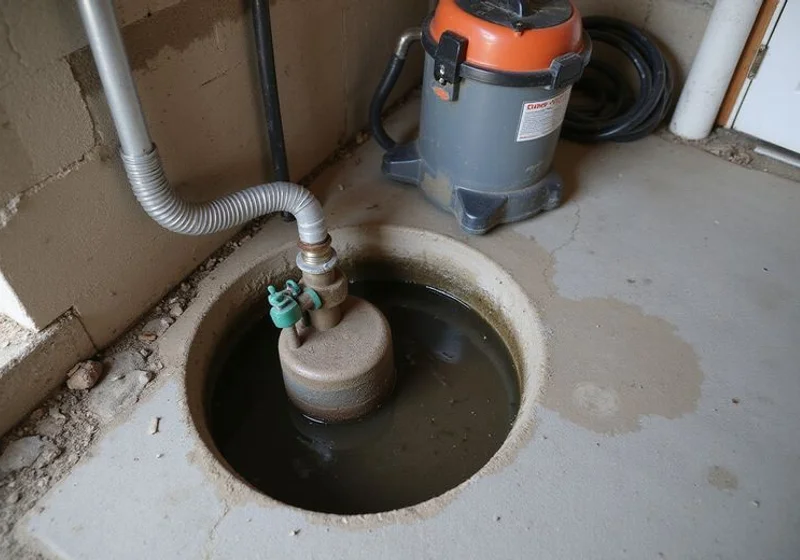
Water reaching the footing perimeter is collected — usually by an interior perimeter drain, sometimes by the surrounding soil where a basin is set at a low point — and routed to a basin set into the floor.
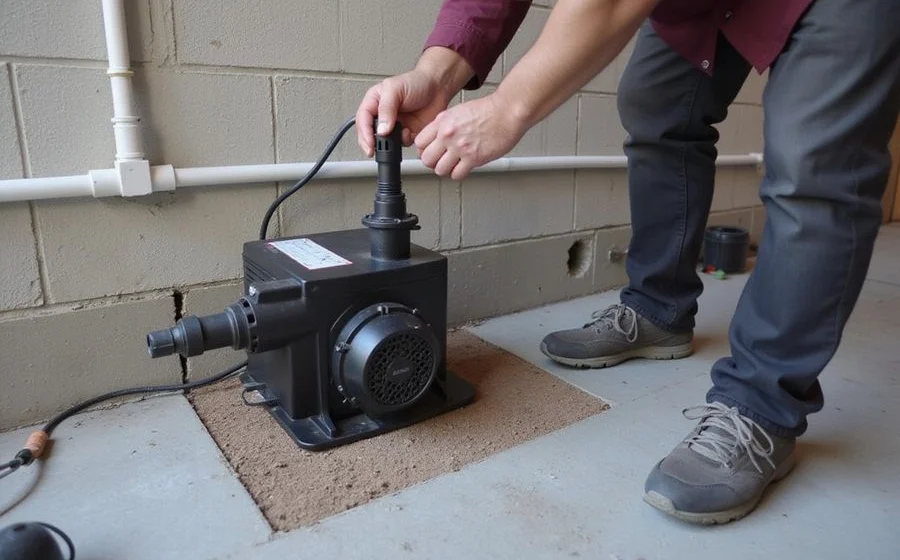
As the water level rises, a float switch closes and the submersible pump starts. Water is pushed up the discharge pipe, through a check valve, and out to a termination point away from the building. When the level falls, the float opens and the pump stops. The check valve holds the column of water in the pipe so it does not run back into the basin.
Every element in that chain can fail in a way that looks like “the pump is broken”. Our guide on how interior drainage and sump systems work breaks down each part.
Sizing: what we look at
Inflow. How much water arrives, and how quickly during a storm. A basin that fills in two minutes during heavy rain has different demands from one that cycles twice a week.
Total dynamic head. The vertical lift plus friction losses in the discharge run. A pump rated at a given flow at zero head delivers considerably less at ten feet of lift with a long horizontal run, which is why headline flow numbers mislead.
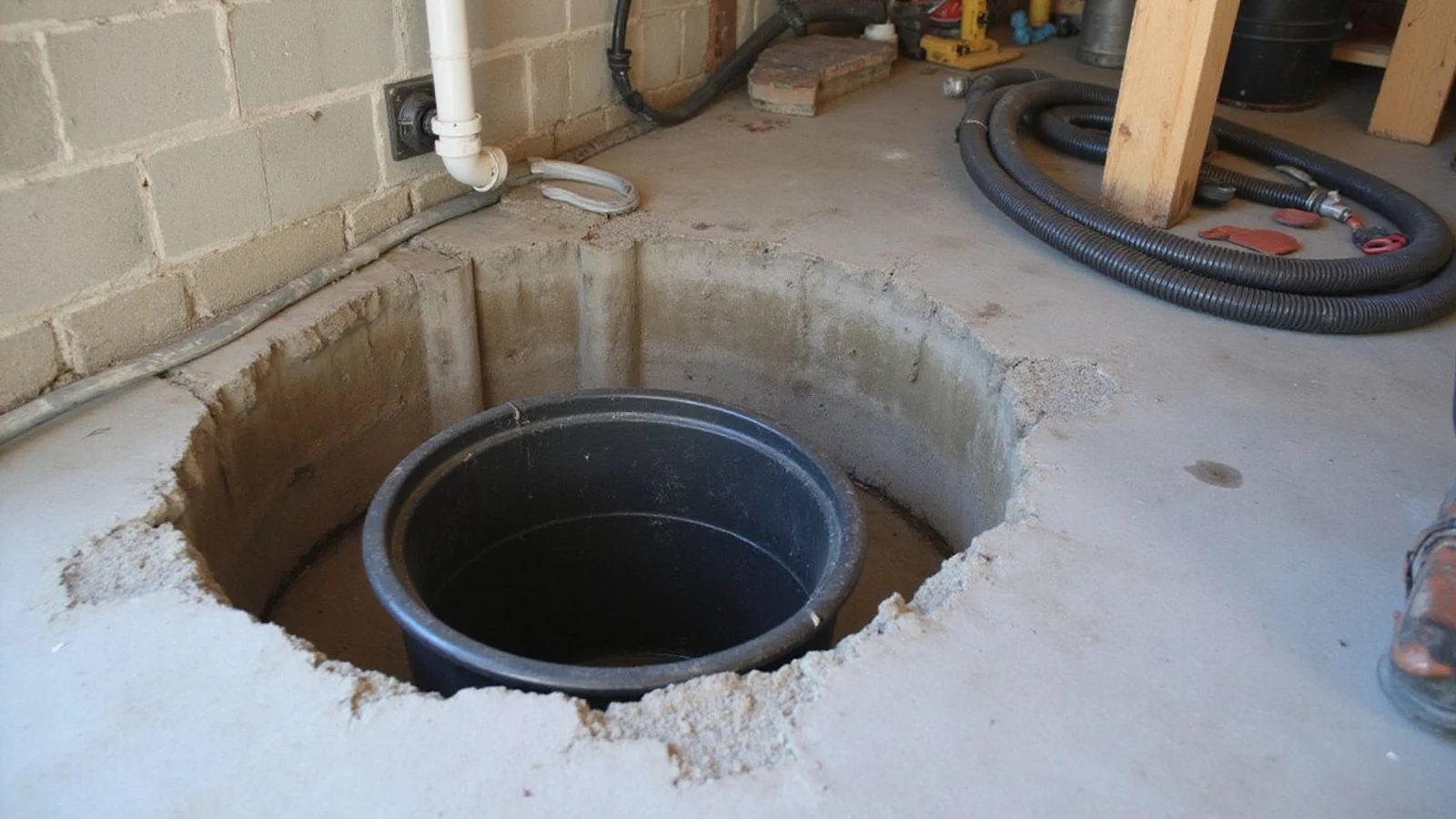
Basin volume and float clearance. A basin too small makes a pump short-cycle. A float without clearance sticks against the wall or the pipe.
Duty expectations. A pump expected to run through multi-day wet spells is a different specification from one that handles occasional events.
Backup systems
Battery backup pumps exist because the storms that overwhelm a basement are the same storms that take out power. A secondary pump, typically fed by an AGM battery through a charger and controller, takes over when the primary loses power or fails.
The honest framing is that a backup buys time. Runtime depends on battery capacity and pumping demand, and a sustained outage with heavy inflow will exhaust it. Alarms and monitoring matter as much as the pump itself, because a backup that quietly failed its own battery test six months ago is not a backup.
See battery backup sump pumps explained for how the components work together.
Signs a pump is on its way out
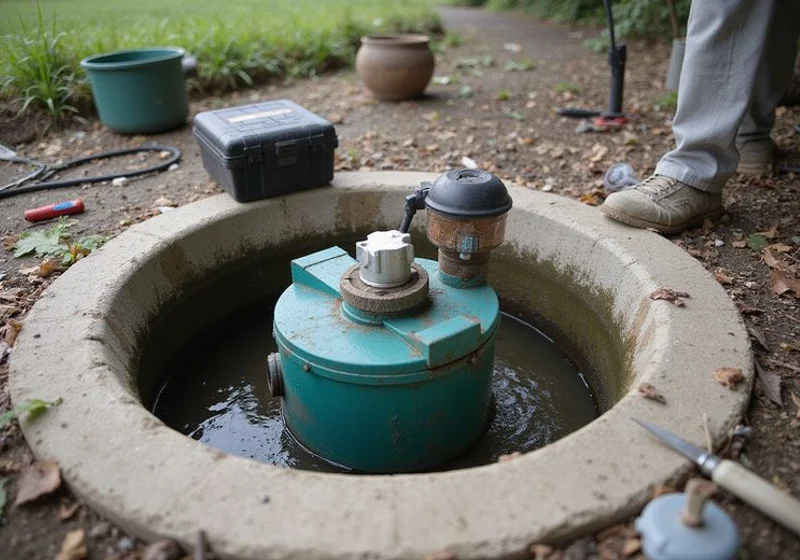
Constant running or short cycling. Unusual grinding, rattling, or vibration. Visible corrosion or heavy sediment in the basin. A float that does not move freely. Water in the basin that is not being cleared. Age combined with heavy duty. Our guide on signs your sump pump is failing covers the diagnostic checks.
The practical advice: replace on your schedule rather than the weather’s. A planned replacement is a routine visit. An emergency one happens with water on the floor.
Discharge, freezing, and the mistakes we see
Three recurring problems in systems we are called to replace.
Discharge terminating at the foundation corner, which returns the water to the soil the system just collected it from. Flexible hose laid across the lawn, kinked and disconnected by mowing. And exposed discharge lines with no freeze protection, which block solid during a cold snap and leave the pump running against a closed pipe.
None of those are exotic. They are what happens when the pump gets specified and the discharge gets improvised.
What drives the cost
Whether a new basin must be cut into an existing slab. Pump capacity and whether a backup is included. Discharge run length, routing, and termination. Freeze-resistant detailing where the line is exposed. Electrical work for a dedicated circuit. Whether the pump is going in as part of a wider basement waterproofing installation, which usually makes the marginal cost smaller.
Maintenance you can do yourself
Test the pump by lifting the float or pouring in a bucket of water, and confirm the cycle. Walk outside and check the water is leaving where it should. Clear sediment from the basin when it builds up. Check the check valve is holding. If you have a backup, confirm the battery and alarm still pass their own tests.
Do it before the wet season rather than during it. That single habit prevents most of the sump emergencies we get called to.