
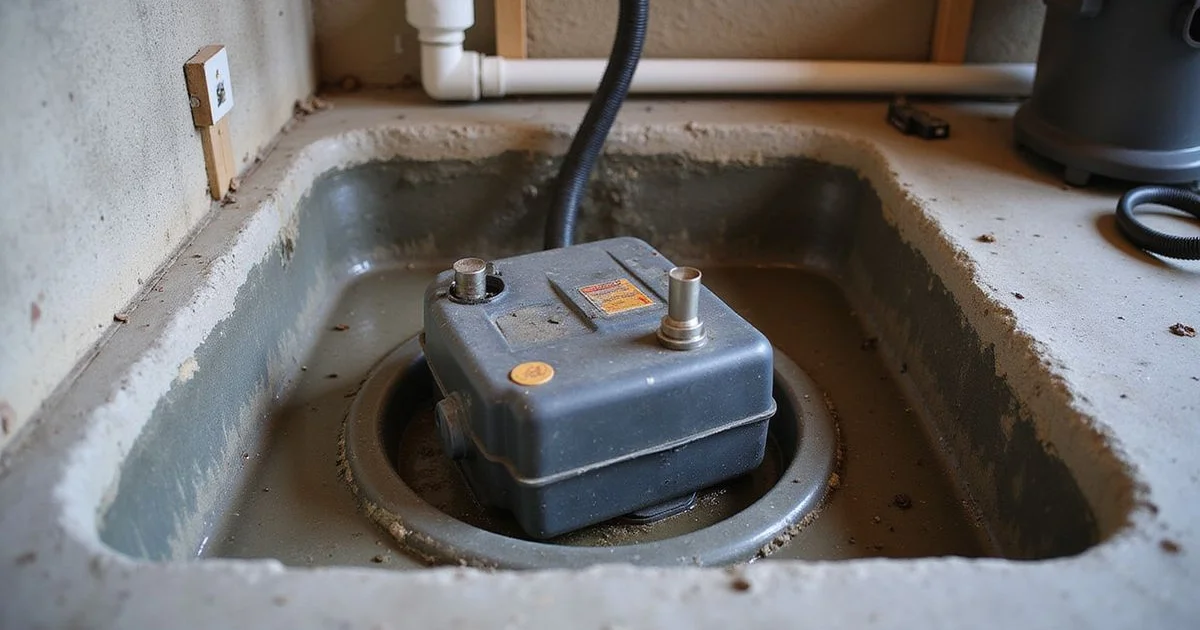
Test it on a dry day, not during the storm
Sump pumps fail quietly. Nothing on the panel tells you, and nothing in the house changes, right up until the moment water is on the floor and the power is out.
The fix is a five-minute test a few times a year. Here is what to look for, and what each symptom usually means.
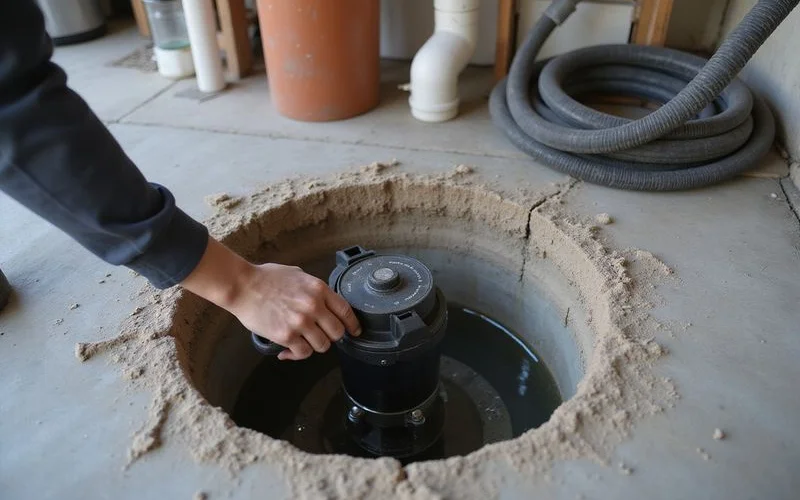
Constant running or short cycling
Constant running suggests a stuck float, a check valve that is not holding so the same water keeps returning, a genuinely high water table, or a pump too small for the inflow.
Short cycling — starting and stopping rapidly — usually means the basin is too small for the pump, the float travel is restricted, or the check valve is failing.
Either pattern wears the pump out prematurely, so both are worth diagnosing rather than tolerating.
Unusual noise or vibration
Grinding, rattling, or a rougher sound than you remember suggests bearing wear, an impeller obstruction, or debris in the pump.
Excessive vibration can indicate a failing motor or a misaligned impeller. Noise that has changed over time is the useful signal.
Not running at all
Check the obvious first: power at the outlet, the breaker, and whether the plug has been knocked loose. Piggyback plug arrangements on older installations are a common failure point.
Then check the float. A float that cannot rise because it is against the basin wall, tangled in the discharge pipe, or obstructed by debris will never call for the pump.
Water in the basin that is not clearing
The pump runs but the level does not drop. Causes include a blocked or frozen discharge line, a failed impeller, a stuck check valve, or an air lock in the pump.
Go outside and look at the discharge point. Blocked discharge is common and easily missed from inside.
Visible wear and sediment
Corrosion on the pump body. Heavy sediment in the basin, which abrades the impeller and can obstruct the float. A basin with no lid, collecting debris and encouraging evaporation and odour.
Age and duty history
There is no universal lifespan number worth quoting. A pump that cycles many times a week has done far more work than the same model cycling twice a month.
The practical approach: once a pump has some years and real duty behind it, test it regularly and plan its replacement rather than waiting for it to announce itself. A planned replacement is a routine visit; an unplanned one happens with water on the floor.
How to test properly
Pour a bucket of water into the basin, or lift the float by hand.
Confirm: the pump starts, water moves, the level drops, the pump stops cleanly, and the basin does not immediately refill — which would indicate a check valve problem.
Then walk outside and confirm water is arriving at the discharge point.
Do this before wet seasons rather than during them, and check the backup system too if you have one. Our guide on battery backup sump pumps covers what to verify there.
When to replace rather than repair
Replace when the motor is failing, when the pump is old and heavily worked, when it is undersized for the inflow you actually see, or when a failure would cause significant damage and the current unit has no redundancy.
Repair or adjust when the problem is a float, a check valve, a blocked discharge, or debris. Those are cheap fixes and a competent assessment will tell you which you have.
The sump pumps service page covers replacement, sizing, discharge planning, and backup options.