We have published our editorial standards at /editorial/, along with a disclosure about the Gage Whitlock byline that appears on this site’s content.
This is an unusual thing for a foundation repair company to do, so it is worth explaining why we did it and what it commits us to.
The byline disclosure, stated plainly
Gage Whitlock is an editorial pen name used by Nashville Foundation Repair. It is not a person with field credentials, and we do not present it as one.
Technical reviewers and project contributors are credited separately by their actual roles and qualifications. Where a claim on this site rests on someone’s professional judgement, that person’s role is identified rather than being absorbed into a byline.
We are being explicit about this because the alternative is common and quietly misleading. Sites across this industry publish under authoritative-sounding names attached to invented credentials and fabricated years of experience. Readers reasonably assume a byline means a person.

What the standards actually commit us to
Primary sources for technical facts. Karst and sinkhole mechanisms come from the USGS. Contractor licensing thresholds come from Tennessee’s published guidance. Where we state something technical, it traces to a source rather than to industry lore.
Company records for business claims. Anything we say about our own work comes from project records: the concern, foundation type, assessment, agreed scope, constraints, work performed, and documented result.
Price figures carry context or do not appear. A date, a source, the scope, the unit, and the exclusions. Company averages additionally need a sample size and a timeframe. Without those, we explain cost drivers instead — which is why our cost guides read the way they do.
No invented risk products. We will not build ZIP-level sinkhole risk scores, rank neighbourhoods as unsafe, estimate a home’s likelihood of collapse, or turn permit counts into failure probabilities. Regional geology is context; it is not a diagnosis of an address.
No fabricated evidence. We do not invent projects, customer quotations, prices, or outcomes. Before-and-after images use comparable viewpoints and an accurate explanation of what changed, and installation photographs alone do not establish long-term performance.
Why this matters for a repair company specifically
Foundation repair is sold under pressure more often than it should be. The mechanics of that are simple: the homeowner cannot see the problem, cannot evaluate the proposed solution, and has just been told their house is in danger.
Editorial standards are one of the few checks available on that dynamic. If we publish a guide saying that a regional karst map cannot diagnose a property, we have made it harder for anyone — including ourselves — to use one as a sales instrument in your living room.
How this connects to what happens at your house
The same commitments show up in the field, and they are the reason our foundation repair services in Nashville are described the way they are rather than sold the way they usually are.
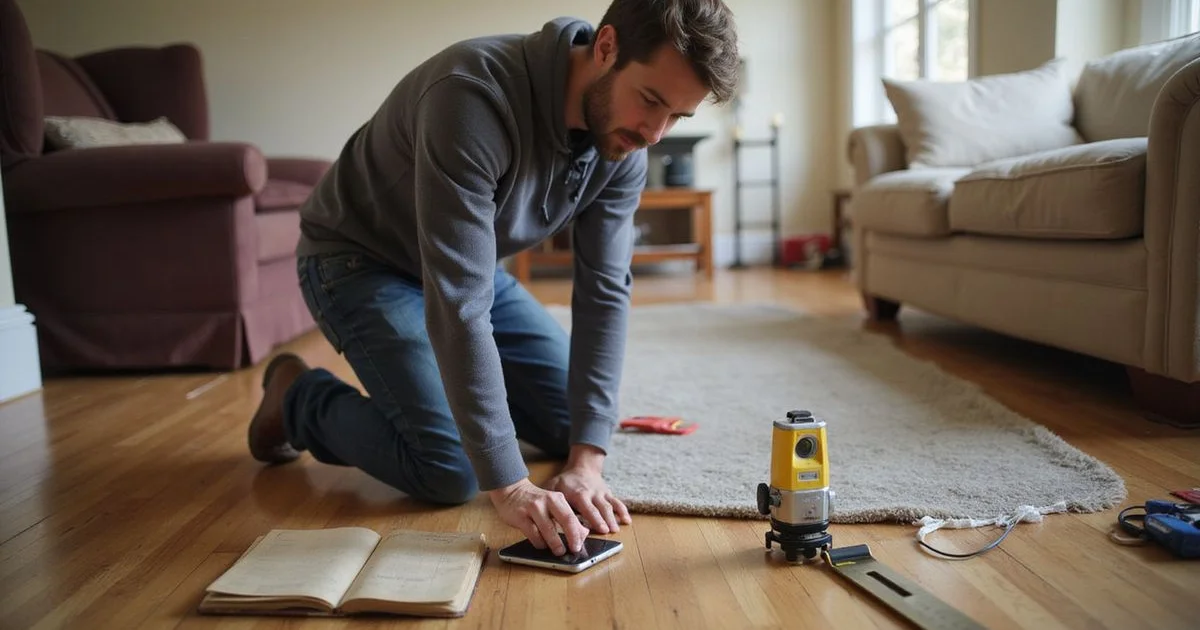
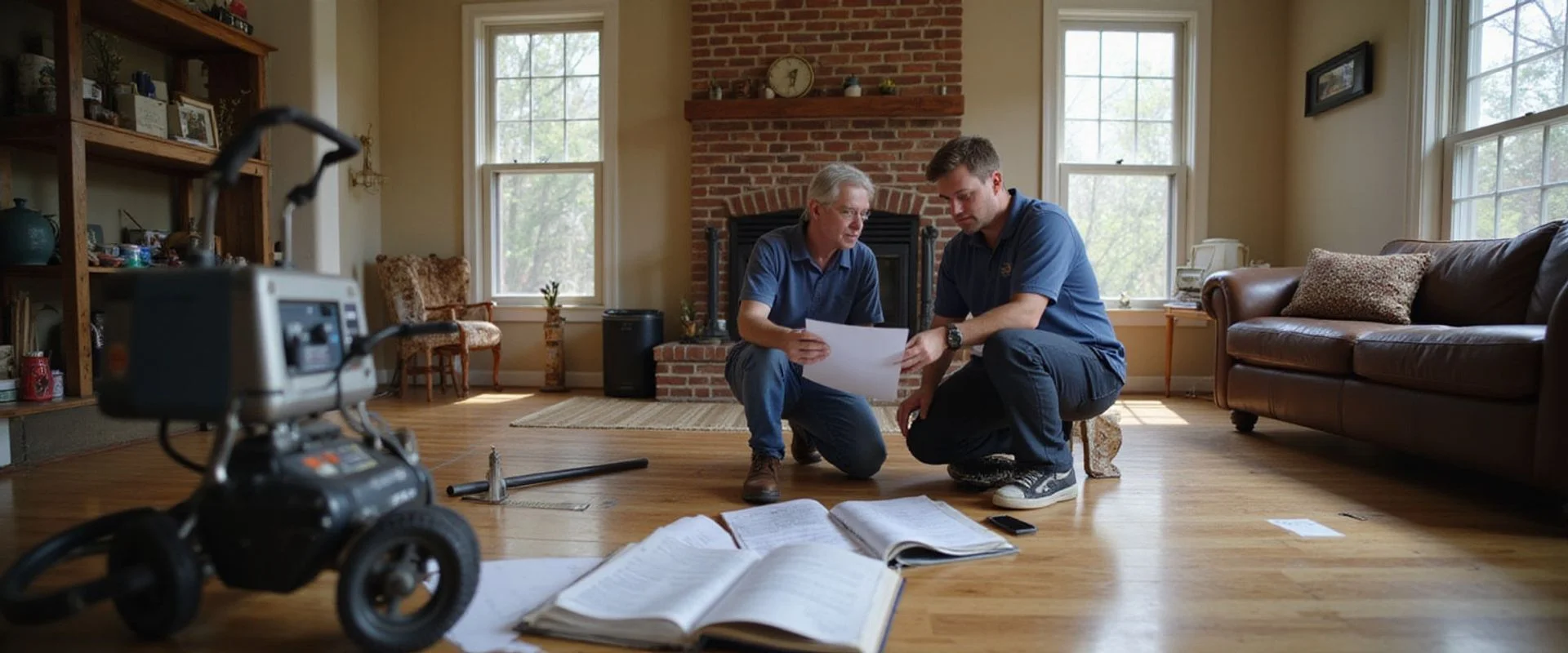
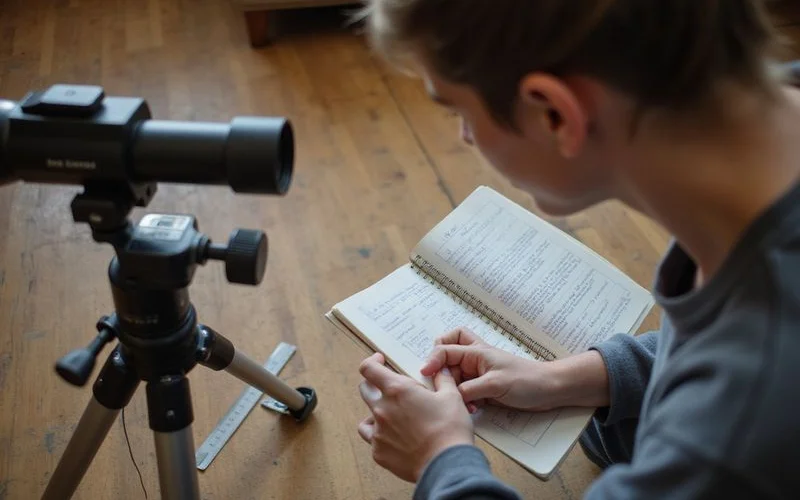
Our estimators are not paid on commission, so nobody earns more by finding more. A foundation evaluation records relative floor elevations and moisture readings, and the findings state what was not accessible. Quotes are itemized with quantities and exclusions written down.
If the measurements do not support structural work, the findings say so. A meaningful share of our evaluations conclude with drainage correction or dated monitoring rather than a repair scope, and that outcome is recorded the same way any other would be.
Read them and hold us to them
The standards are at /editorial/. They describe how content gets researched, what sources we use, how we handle price figures, what we will not publish, and how technical review works.
If you find something on this site that does not meet them, tell us. That is the point of publishing them.
Want an evaluation that works the same way the content does? — Request a foundation repair quote