
Why scope comes before price here too
We often review competitor proposals with clients and notice a common theme. Two basements of identical size can produce quotes that differ by a factor of three. When property owners ask about the cost to waterproof basement areas, we point directly to these exact variables.
Neither company necessarily needs to be dishonest for this variation to happen. Third-party data from Angi in 2026 places the average basement waterproofing cost in Nashville at $7,889. That number is significantly higher than the national average.
Local factors easily explain the difference.
Our team knows that publishing a single flat rate would mislead you. Rather than tossing out a vague number, we want to walk you through what actually moves the price tag.
The primary drivers
You need to know the specific elements that dictate the final bill. These factors change everything from the labor hours required to the materials used. We have broken these down into three main categories for clarity.
Drainage and Excavation Methods
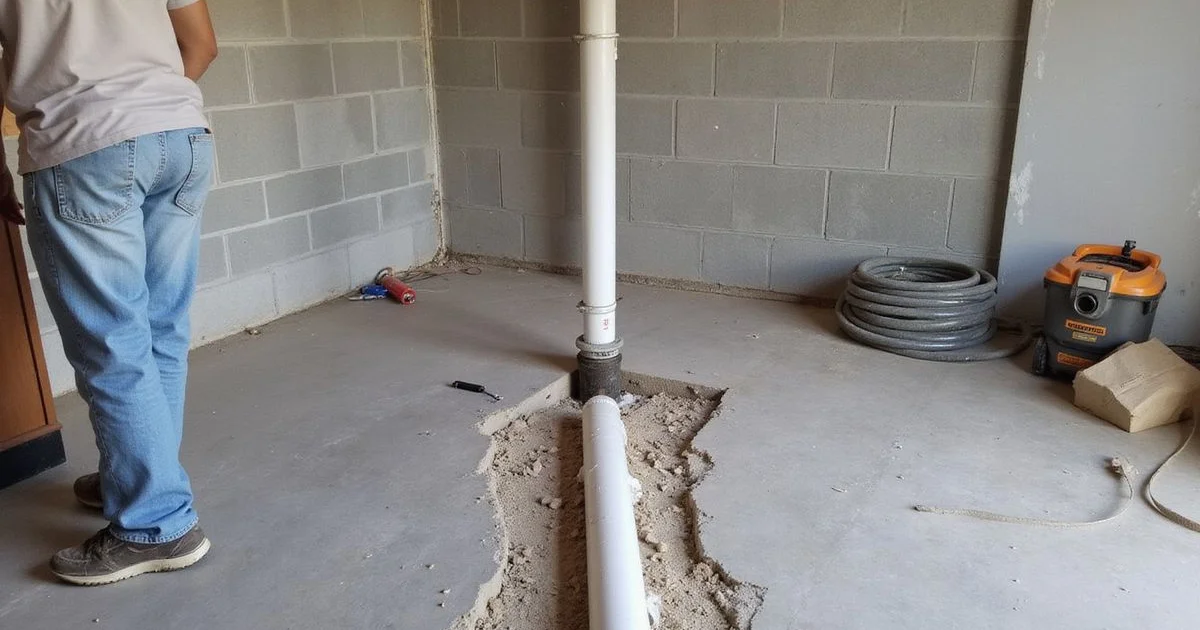
Linear feet of drainage serves as the main quantity in an interior system. Addressing one wall compared to the full perimeter changes the job proportionally. Interior weeping tile systems typically run between $60 and $120 per linear foot in 2026.
Exterior excavation with membrane work is considerably more expensive than interior perimeter drainage. Contractors must account for excavation volume, spoil handling, and site restoration. Middle Tennessee is famous for its expansive bull tallow clay soil and limestone bedrock. These dense ground conditions make digging around a foundation highly labor-intensive and costly.
Hardware and System Specifications
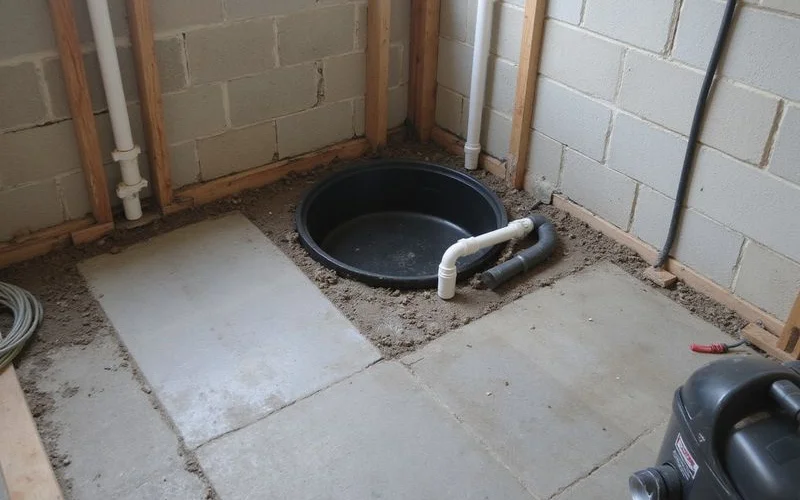
Concrete cutting and patching make up a significant labor component for interior work. Crews must cut the slab, remove the spoil, and patch the concrete afterward. The sump system specification also drives the final price tag.
The basin size, pump capacity, and check valve quality all matter. Choosing a premium brand like a Wayne or Zoeller pump will cost more upfront than a generic, plastic option. The discharge run is another major factor. The length of the routing, whether it can be buried, and freeze-resistant detailing requirements all change the final quote.
Labor, Access, and Finishing
Restoration is the line item that most often separates a low quote from a complete one. Interior restoration includes replacing finished walls, flooring, and paint. Exterior restoration covers landscaping, hardscapes, driveway sections, and replacing sod.
Access dictates how material and spoil get in and out of the workspace. A walk-out basement is vastly easier to service than a basement reached through a main living area. Finally, wall preparation and utility conflicts add hidden costs. Crews might discover required crack sealing or encounter buried services in the excavation zone once the work begins.
Where quotes diverge most
We consistently find that three specific line items account for most of the variance in competitor proposals. You must look closely at these areas when comparing numbers.
Perimeter length is the most common discrepancy. One company proposes treating the full perimeter of the basement. Another company proposes treating only the two walls where water actually appears. Both approaches can be defensible, but they represent entirely different projects.
Backup and redundancy systems represent a real cost that is frequently absent from cheaper quotes. A quality battery backup and alarm package, such as a PumpSpy 2000W or a Basement Watchdog system, averages $900 to $1,800 installed in 2026. Cheap quotes often omit this protection without flagging it to the homeowner.
| Feature | Basic Quote | Comprehensive Quote |
|---|---|---|
| Perimeter Coverage | Partial (only leaking walls) | Full perimeter drainage |
| Sump Pump System | Standard primary pump only | Primary pump plus battery backup |
| Restoration Work | Excluded entirely | Drywall, paint, and flooring included |
| System Redundancy | No alarm system | Integrated water alarm monitoring |
Restoration work is the final major divergence point. A quote might include full restoration, partial restoration, or exclude it entirely.

The cheaper step that often comes first
Before installing any interior system, correcting the exterior water is worth doing and worth pricing separately. Gutters, downspout extensions, buried discharge lines, and regrading cost a fraction of a full drainage system. Landscaping and grading adjustments typically run between $1,000 and $7,000.
In a meaningful share of wet basements, that exterior correction makes a substantial difference. In some homes, it resolves the problem completely. At a minimum, this step reduces the volume of water that any subsequent internal system has to handle.
Our guide on why is my basement wet covers the diagnostic sequence that establishes whether this applies to you.
Our standard for publishing figures
Publishing a price figure requires proper context to make it meaningful. A responsible estimate requires a date, a source, the specific scope it covers, the unit it is expressed in, and its exclusions. Company averages additionally need a sample size and a specific timeframe to be accurate.
You will see third-party sites list 2026 national averages as high as $13,640 for a full 1,000-square-foot basement. Absent figures that meet our strict standard, our team prefers to explain the cost drivers instead.
That is a deliberate editorial choice. It is exactly why this specific guide contains no fixed dollar amounts for our services.
How to compare waterproofing quotes fairly
Put the proposals side by side on your kitchen table. Compare the specific variables line by line:
- Linear feet of drainage proposed
- The approach (interior versus exterior)
- Sump pump specifications and backup systems
- The discharge plan and routing
- What restoration is explicitly included or excluded
Experienced contractors and industry insiders on forums like Reddit frequently warn against companies that prescribe a one-size-fits-all system. Then ask each company what water source they identified and what evidence supports that conclusion. A system specified without a proper diagnosis is simply a product sale.
Our guide on comparing repair quotes provides the full checklist you need. The companion resource on interior versus exterior basement drainage explains the approach decision that sits directly behind the final number.
Getting a real figure
The basement waterproofing service page explains our assessment process in detail. We believe in providing transparent, actionable information for your property.
The final output is an itemized scope of work with precise quantities, access assumptions, and exclusions clearly written down. This written scope is the only form in which a basement waterproofing price actually means anything.
Contact us today to schedule a site visit and get a detailed diagnosis for your building.