
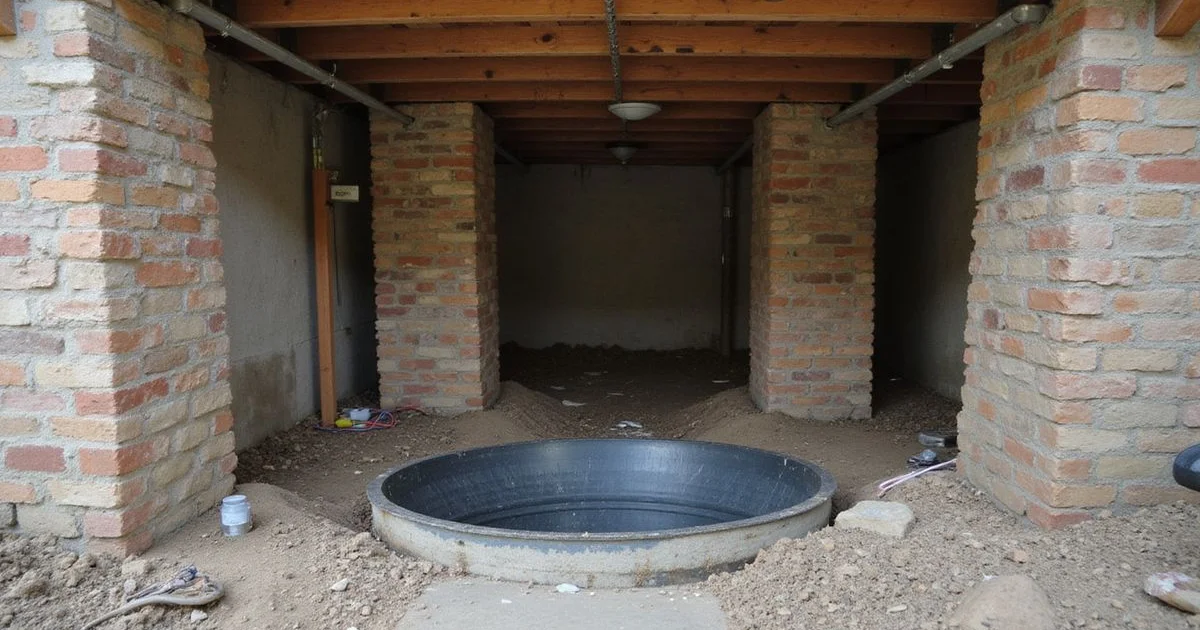
Different water, different space, different system
We often see homeowners searching for basement waterproofing vs crawl space encapsulation as though they are direct alternatives. They actually address very different forms of moisture in completely different parts of a house. Getting this distinction right prevents the two most common property mistakes.
Buying an expensive drainage system for a simple humidity problem is a waste of money.
We also see people sealing a crawl space that has standing water in it, which creates a huge mess.
Bulk water versus vapor and humidity
We categorize moisture issues into two primary types to determine the right fix. Bulk water is liquid. It runs, it pools, it enters through joints and cracks, and it leaves a wet floor. This type of water usually arrives from groundwater, surface runoff, or a plumbing failure.
Vapor and humidity act differently. Ground vapor rises from bare earth continuously, and humid outside air carries moisture in through vents. Neither produces a puddle, but both raise wood moisture content, support decay, and produce bad odors.
We pay close attention to wood framing during our inspections because high humidity ruins lumber. The USDA Wood Handbook provides clear thresholds for moisture damage:
- Safe levels: Interior framing should sit between 9% and 14% moisture content.
- Mold risk: Fungi and mold begin to grow rapidly once the level hits 16%.
- Structural failure: Rot becomes a severe threat at 20% moisture, potentially causing a 40% loss in joint strength.
Bulk water needs collection and discharge. Vapor and humidity need sealing and dehumidification. A drain does nothing for humidity, and a liner does nothing for a flowing leak.
Basement waterproofing
We recommend basement waterproofing for spaces with liquid water entry. This process involves a water-entry assessment, interior perimeter drainage with a sump pump, or exterior excavation and membrane work. Fixing the drainage outside the house is also a standard requirement.
Our crews look for specific symptoms to target. Water on the floor after rain, seepage at the cove joint, and standing puddles are obvious signs. Efflorescence, which looks like white chalky staining on the walls, is another major warning.
We see the financial impact of ignoring these warning signs constantly. Recent 2026 data from Angi shows that the average cost to repair water damage in a flooded US basement runs between $2,000 and $8,000. A proactive waterproofing system prevents those massive restoration bills and protects the foundation.
Crawl space encapsulation
We apply crawl space encapsulation to areas suffering from ground vapor and high humidity. This system involves a reinforced vapor barrier over the ground and up walls and piers. The process also includes sealed seams and vents, penetration detailing, drainage where needed, and dehumidification sized specifically for the space.
Our installations directly address symptoms like musty odors reaching the living space. High relative humidity, condensation on framing and ducts, elevated wood moisture content, and cupping hardwood floors upstairs mean you need this service.
We know that a bad crawl space ruins the indoor air quality for the entire house. Building science research from the EPA confirms that up to 50% of the air on the first floor originates directly from the crawl space due to the stack effect. Sealing the area stops those harmful mold spores and odors from entering your family’s breathing air.
Waterproofing or Encapsulation: A Quick Comparison
We use this simple chart to explain the core differences to property owners.
| Feature | Basement Waterproofing | Crawl Space Encapsulation |
|---|---|---|
| Target Problem | Liquid bulk water and leaks | High humidity and ground vapor |
| Primary Solution | Perimeter drains and sump pumps | Heavy vapor barriers and dehumidifiers |
| Key Warning Sign | Puddles or wall efflorescence | Musty odors or cupping wood floors |
When one home needs both
We frequently encounter homes that require both systems. This is very common in Middle Tennessee, where houses frequently have a basement under part of the footprint and a crawl space under the rest. This often happens with an addition, a lower wing, or an original section of the house.
Our team treats these separate foundation types as completely different environments. The basement may take water after heavy storms while the crawl space has no liquid water but sits at 75% relative humidity. Each zone needs its own specific scope of work to stay dry.
We outline the third scope that frequently sits alongside these in our guide on crawl space repair versus encapsulation.
Order of operations when both apply
We always tackle bulk water problems first. A crawl space with standing water gets a drainage system before a plastic liner ever goes down.
Our technicians know that placing a barrier over water floats the plastic and creates a concealed pond. That trapped moisture will eventually cause major structural issues. Once the liquid is managed, you must complete any structural repairs while access is still good.
We finalize the project with sealing and humidity control. Getting this order wrong means cutting back into finished work. Doing the job in the correct sequence prevents wasted materials and extra labor costs.
How to work out which you need
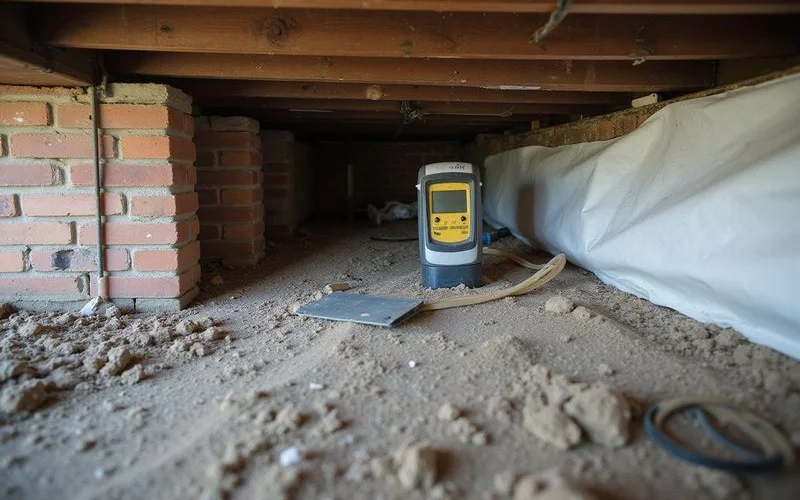
We suggest taking a flashlight and walking both spaces to answer the question: which moisture system do i need. In the basement, look for liquid water. A wet floor, seepage at the cove joint, heavy staining, and efflorescence all point to a bulk water issue.
Our advice for the crawl space is to look for specific humidity indicators:
- Condensation forming on framing and HVAC ducts
- A strong, lingering musty odor
- Persistently damp ground
Guessing is a bad strategy, so gathering actual data is the smartest move. We highly recommend buying an inexpensive digital hygrometer to get a clear reading. A popular model like the TempPro TP50 costs under $15 and gives you highly accurate temperature and humidity records. This simple tool turns the feeling that a room is damp into a hard number.
Getting an assessment
We explain the full water-entry assessment on our basement waterproofing page. The crawl space encapsulation page covers the moisture-control system details.
Our estimators quote these services separately where both are warranted. You will see exactly what each phase costs and can make an informed decision on each system. Reach out to schedule an inspection today.