
The decision most homeowners are actually facing
Very few people with a sagging floor are asking whether it is possible to fix. They are asking whether it needs fixing now, or whether this is one of those things older houses simply do.
Both answers are sometimes correct. Here is how to tell which one applies to yours.
Deflection in plain terms
Deflection is how far a floor sits below where it would be if it were flat. Engineering standards describe acceptable deflection as a fraction of the span, which is useful for designers and not much use to a homeowner standing in a hallway.
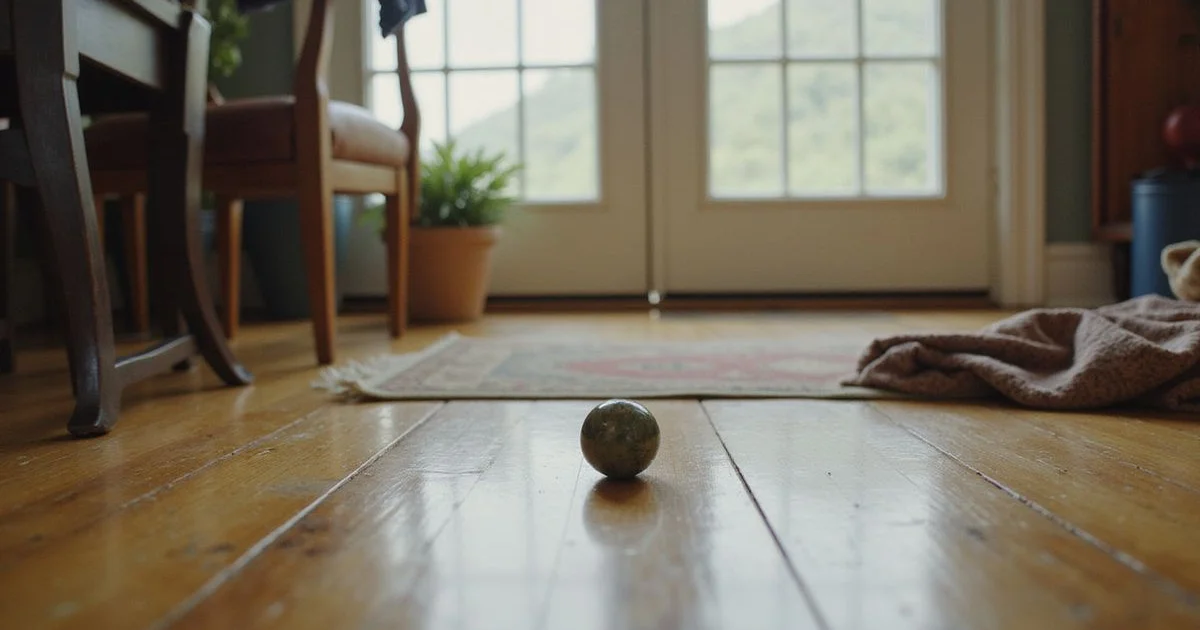
The practical version: a shallow dip you notice only when a ball rolls is a different matter from a slope you can see across a room, and both are different from a floor that moves underfoot as you walk.
More useful than any threshold is whether it is changing. A floor that has looked the same since you moved in twelve years ago is behaving differently from one that developed a dip over eighteen months.
Signs that point toward acting now
Progression. The dip is deeper, the slope has increased, or the bouncy area has spread.
Decayed framing. Probing accessible members finds soft wood, or wood moisture readings come back persistently high.
Failed supports. A block pier that has settled, cracked, or is crumbling. A post that is no longer bearing.
Companion symptoms upstairs. Doors binding above the affected area, new drywall cracking, trim separating.
Standing water below. A crawl space with standing water is producing a continuing condition, not a historic one.
Noticeable movement underfoot. A floor that visibly flexes as you cross it.
Signs that support monitoring
Mild, stable deflection with no measurable change over a season or two. Sound framing on probing, with acceptable moisture readings. Supports intact and bearing properly. No new cracking or door binding upstairs. A dry crawl space.
Monitoring is a legitimate decision. It is not the same as ignoring it, and the difference is whether you have measurements.
How to monitor properly
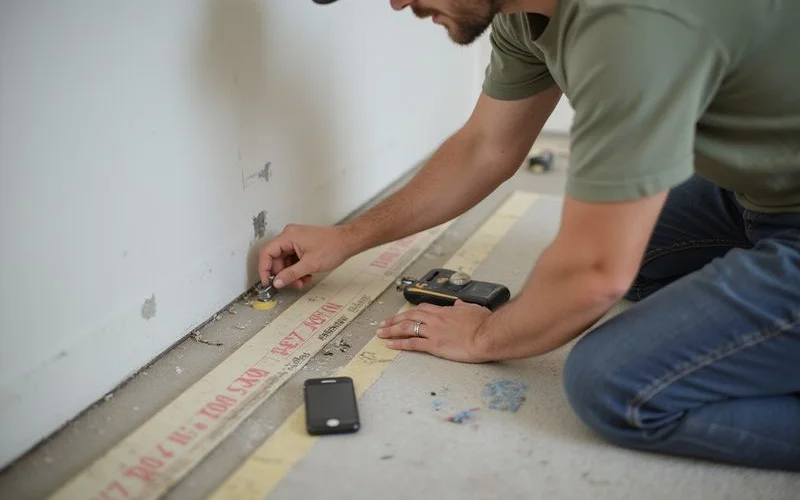
Mark a reference line on a wall at a known height above the floor at the lowest point, and date it. Measure the gap between that line and the floor at intervals.
Take relative floor elevation readings, or have them taken, so you have a baseline set of numbers rather than an impression.
Photograph crawl space conditions, particularly any supports you are watching.
Do it seasonally rather than randomly, and keep the record somewhere you will find it.
Moisture is usually part of the answer
In Middle Tennessee, framing that decayed did so because it was wet, and it will stay wet unless something changes.
That does not automatically mean encapsulation is required, but it does mean the moisture question belongs in the conversation. Repairing framing and returning it to the same conditions restarts the same clock.
Our guide on crawl space repair versus encapsulation covers how the two scopes relate.
What the evaluation adds
An evaluation converts the question into evidence: relative floor elevations upstairs, support and framing condition below, wood moisture readings, and the ground and water conditions in the space.
From that, the recommendation is one of three things. Act now, because the framing or supports have failed. Monitor with a documented baseline, because the movement is stable. Or address the moisture first, because that is what is driving everything else.
The crawl space repair page explains what each repair scope involves, and sagging floor repair in Nashville homes covers the causes in more depth.